
The Spirit of Ganesh Chaturthi in Maharashtra
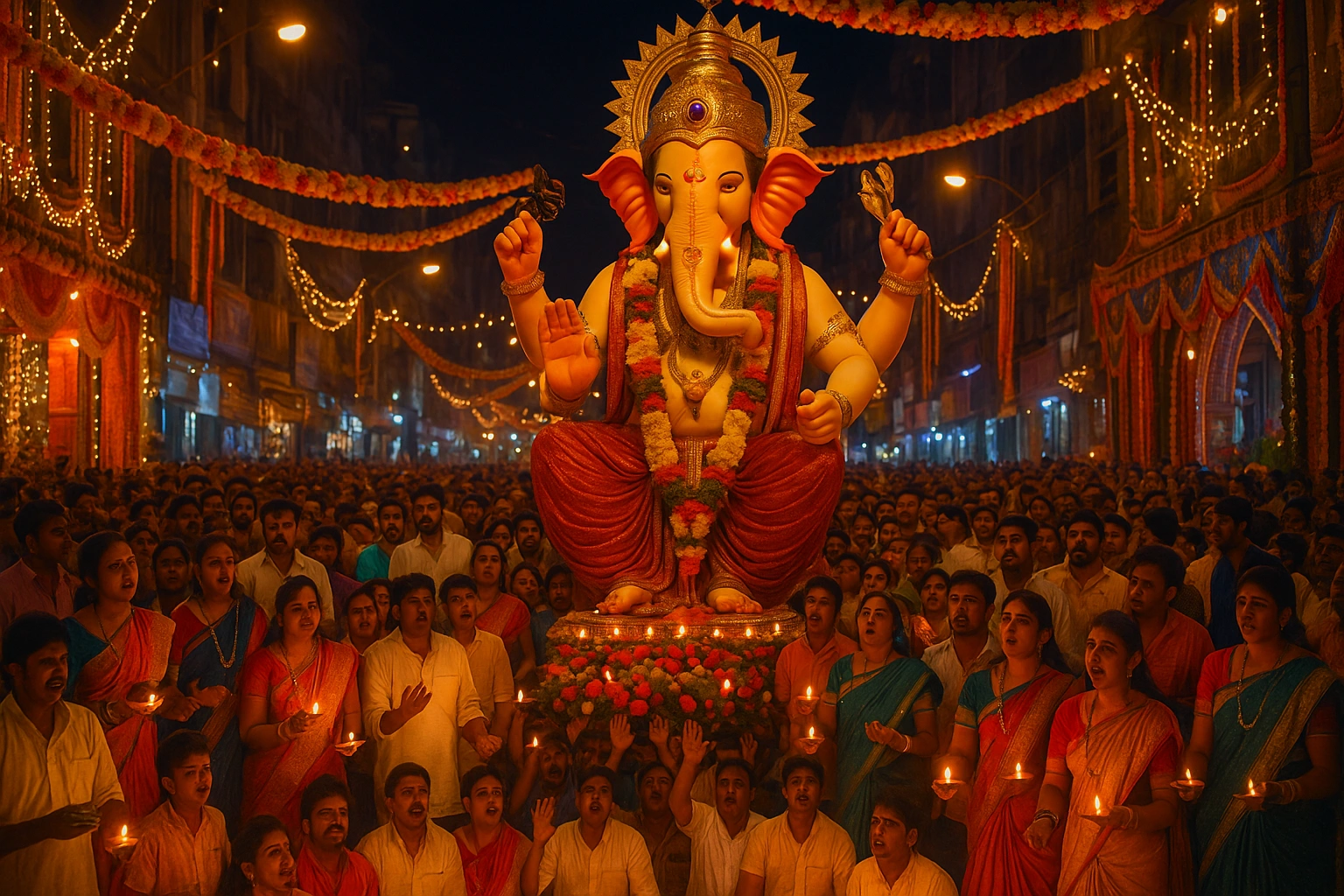
Ganesh Chaturthi, also known as Vinayaka Chaturthi, is one of the most celebrated festivals in Maharashtra. It marks the birth of Lord Ganesha, the remover of obstacles and the deity of wisdom and prosperity. What makes Ganesh Chaturthi in Maharashtra unique is the blend of faith, cultural expression, social bonding, and artistic creativity. From Mumbai’s iconic Lalbaugcha Raja to the traditional household celebrations in Pune and Kolhapur, every city and village brings its own flavor to the festival.
The festival usually lasts 10 days, beginning with the installation of Ganesha idols on Ganesh Chaturthi (the fourth day of the Hindu lunar month of Bhadrapada) and ending with the immersion (Visarjan) on Anant Chaturdashi. During this time, the state witnesses a transformation—streets filled with music, chants of Ganpati Bappa Morya, artistic decorations, and a sense of unity that transcends caste, class, and background.
Historical Background of Ganesh Chaturthi in Maharashtra
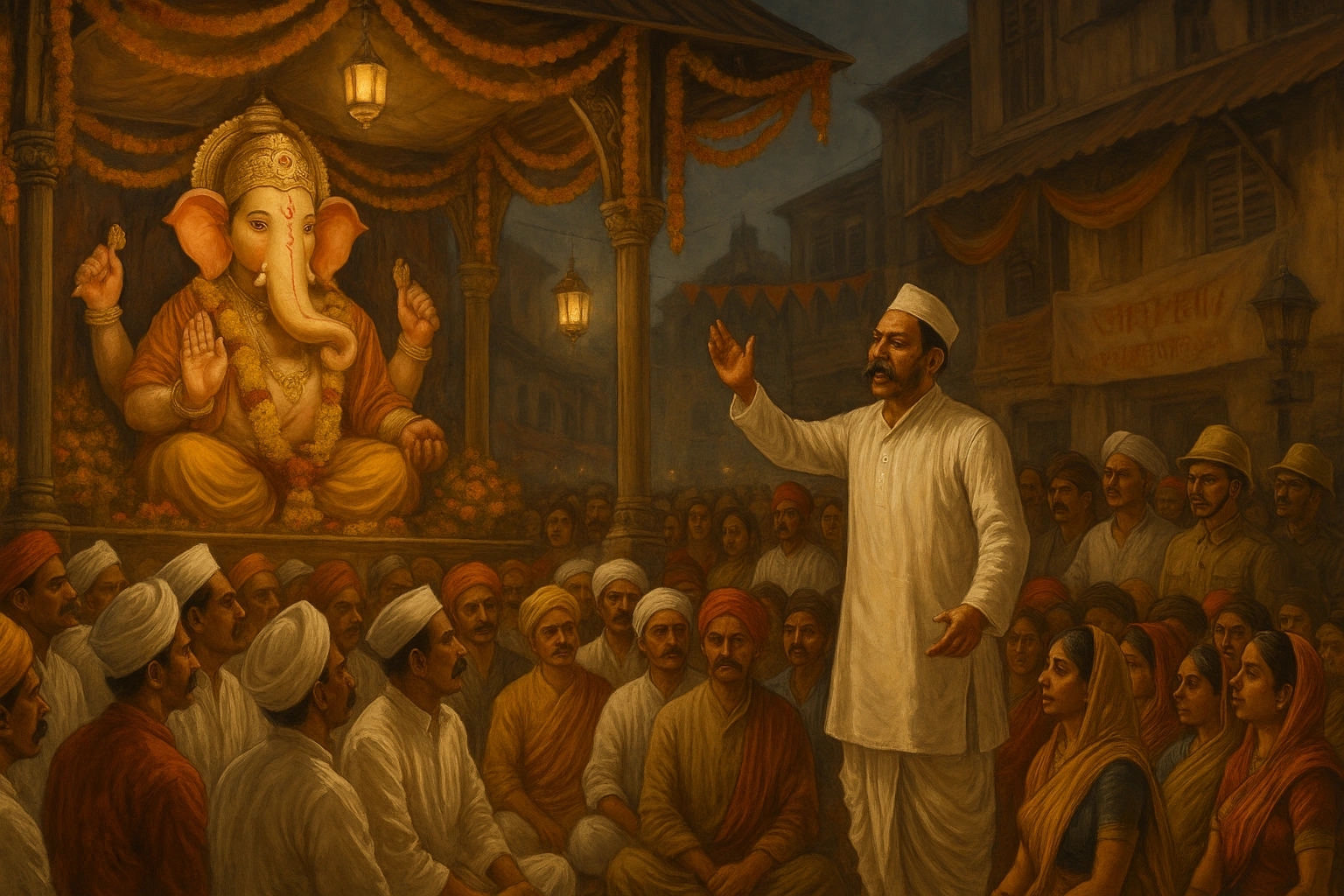
Ganesh Chaturthi has roots going back centuries. While the Peshwas of Pune (18th century) are credited with popularizing Ganesha as the family deity of Maharashtra, the festival truly became a mass movement during the freedom struggle.
- Lokmanya Bal Gangadhar Tilak played a pivotal role in transforming Ganesh Chaturthi from a private family ritual into a public celebration in 1893.
- His idea was to unite Indians against British colonial rule under the umbrella of devotion and culture.
- Public pandals (temporary structures for idols) became spaces where people gathered not just for worship, but also for social, cultural, and political discussions.
Thus, Ganesh Chaturthi in Maharashtra grew into a festival of devotion and nationalism, cementing its importance in the state’s cultural identity.
Rituals and Traditions of Ganesh Chaturthi
1. Idol Installation (Pranapratishtha)
On the first day, idols of Lord Ganesha—crafted from clay, Plaster of Paris (PoP), or eco-friendly materials—are installed in homes and community pandals. Priests perform the ritual of Pranapratishtha to invoke the deity into the idol.













2. Daily Offerings and Aarti
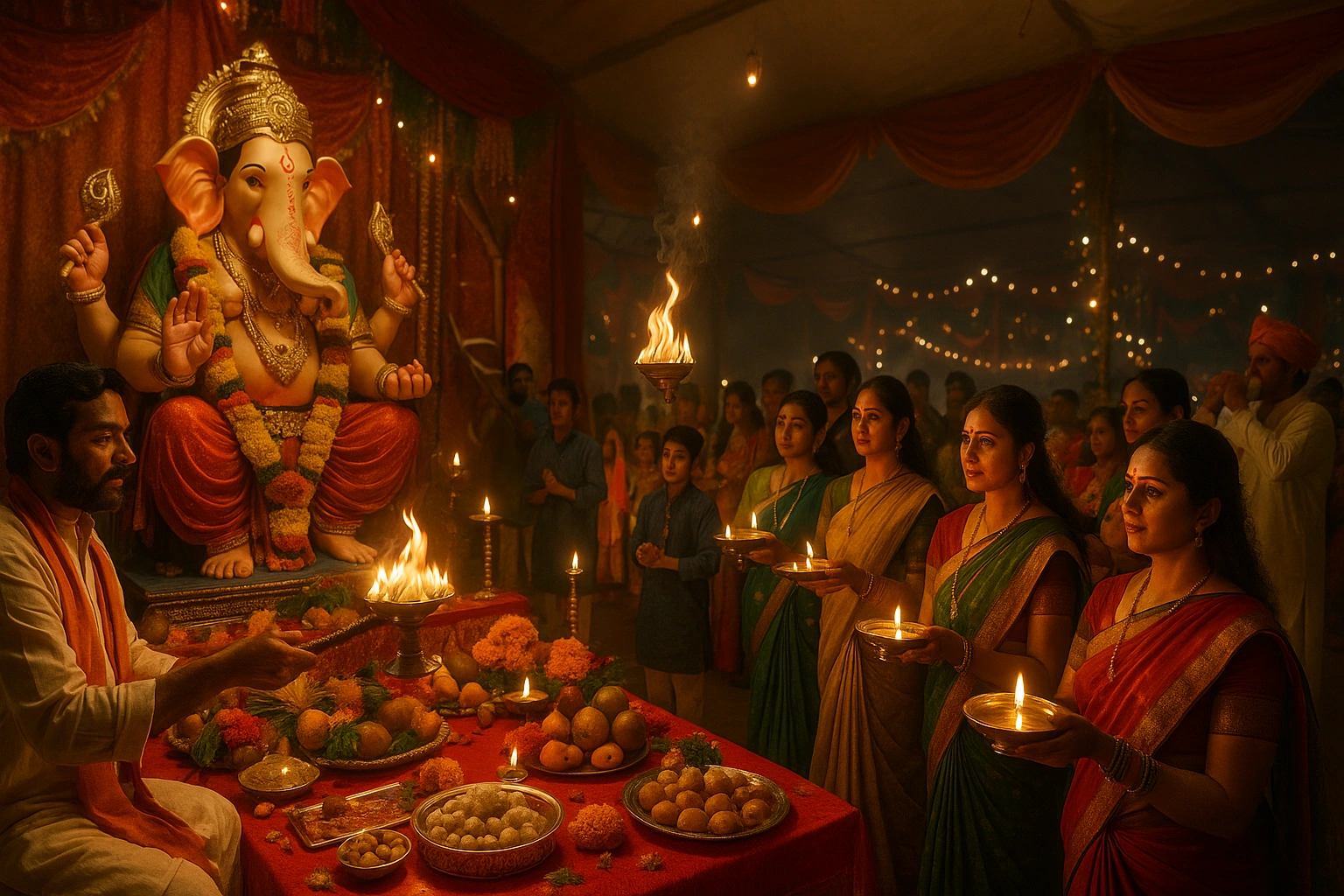
- Devotees perform morning and evening aartis (songs of praise) with lamps, incense, and conch shells.
- Offerings include modaks, considered Ganesha’s favorite sweet, along with laddus, fruits, and flowers.
- Devotional songs like Sukhkarta Dukhaharta resonate through homes and pandals.
3. Cultural Programs
Community pandals often organize cultural activities such as dance, drama, classical music performances, plays, social awareness campaigns, and competitions for children.
4. Visarjan: The Grand Farewell
The festival concludes with Ganesh Visarjan, where idols are carried in grand processions with chants, drums, and music. The immersion in rivers, lakes, or seas symbolizes the cycle of creation and dissolution.
The Uniqueness of Ganesh Chaturthi in Maharashtra
Mumbai: The Heart of the Celebration
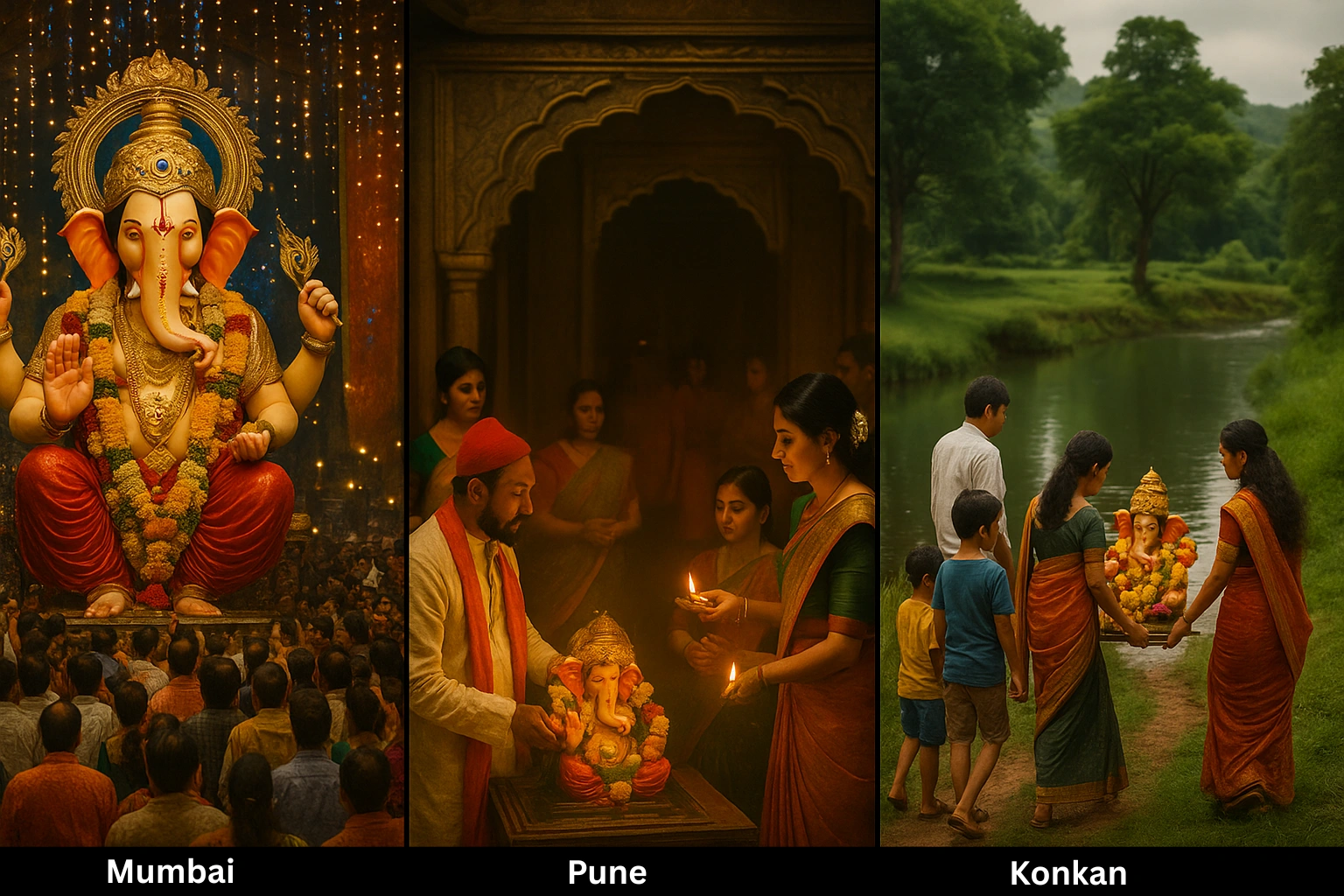
Mumbai is synonymous with Ganesh Chaturthi. Landmarks like Lalbaugcha Raja, Siddhivinayak Temple, Andhericha Raja, and Ganesh Galli Mandal attract millions of devotees. The idols are often massive, sometimes towering over 20 feet, and are designed with intricate details, innovative themes, and social messages.
Pune: The Traditional Touch
Pune, known as the cultural capital of Maharashtra, hosts Ganesh Chaturthi with a more traditional flavor. The Manache Ganpati (respected Ganpati) of Pune includes five historic pandals such as Kasba Ganpati and Tambdi Jogeshwari Ganpati. Here, rituals and heritage take precedence over grandeur.
Konkan Region: Eco-Friendly Celebrations
In the Konkan belt, especially Ratnagiri and Sindhudurg, the festival is deeply rooted in family traditions. Idols are typically made of natural clay, and the immersion happens in local ponds or wells, ensuring environmental harmony.
Artistic and Cultural Dimensions
- Idol Making: Cities like Pen in Raigad district are famous for crafting Ganesha idols that are shipped across India and abroad.
- Decorations: Each pandal is decorated with themes ranging from mythological stories to contemporary issues like climate change, women empowerment, and digital India.
- Music and Dance: Traditional dhol-tasha performances and modern DJ beats co-exist, adding rhythm to the festivities.
Social and Economic Impact
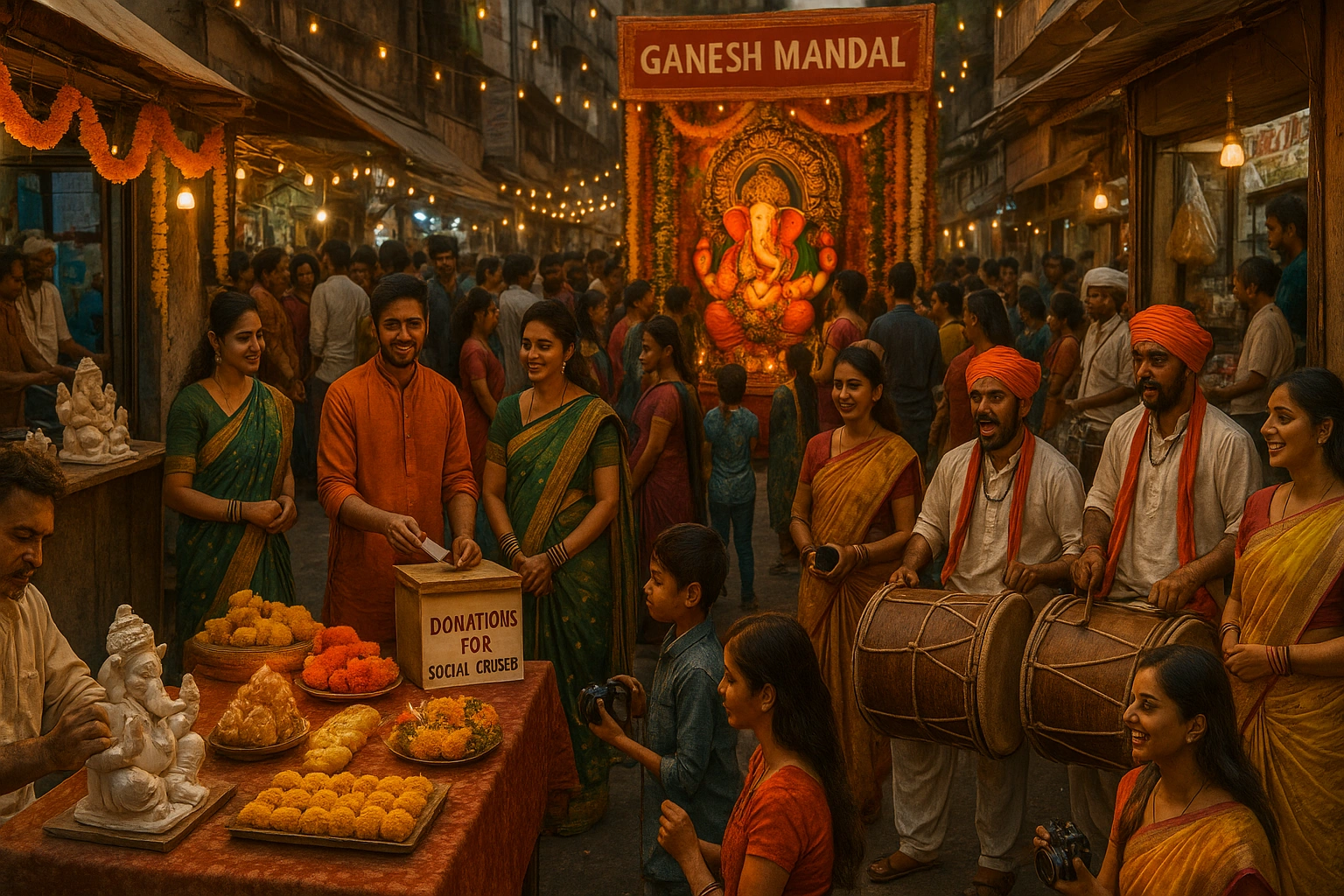
- Community Bonding: Ganesh Chaturthi strengthens unity, as people from all walks of life participate in celebrations.
- Tourism: The festival attracts domestic and international tourists, boosting local businesses.
- Employment: Artisans, decorators, musicians, caterers, and transporters benefit from the festival season.
- Charity: Many mandals raise funds and use them for social causes, medical camps, scholarships, and disaster relief.
Environmental Concerns and Eco-Friendly Trends
While the festival is grand, it also poses environmental challenges due to chemical paints, PoP idols, and water pollution during visarjan. In recent years, Maharashtra has witnessed a growing movement toward eco-friendly Ganesh idols made of clay, paper-mâché, and plant seeds. Artificial tanks for immersion are also promoted to protect natural water bodies.
Ganesh Chaturthi in Popular Culture
- Cinema and Music: Bollywood films often depict Ganesh Chaturthi celebrations (Agneepath, Don, Vaastav).
- Television: Marathi serials showcase household festivities.
- Social Media: Today, the festival trends globally with hashtags like #GaneshChaturthi, #LalbaugchaRaja, and #GanpatiBappaMorya.
A Day-by-Day Timeline of the Festival in Maharashtra
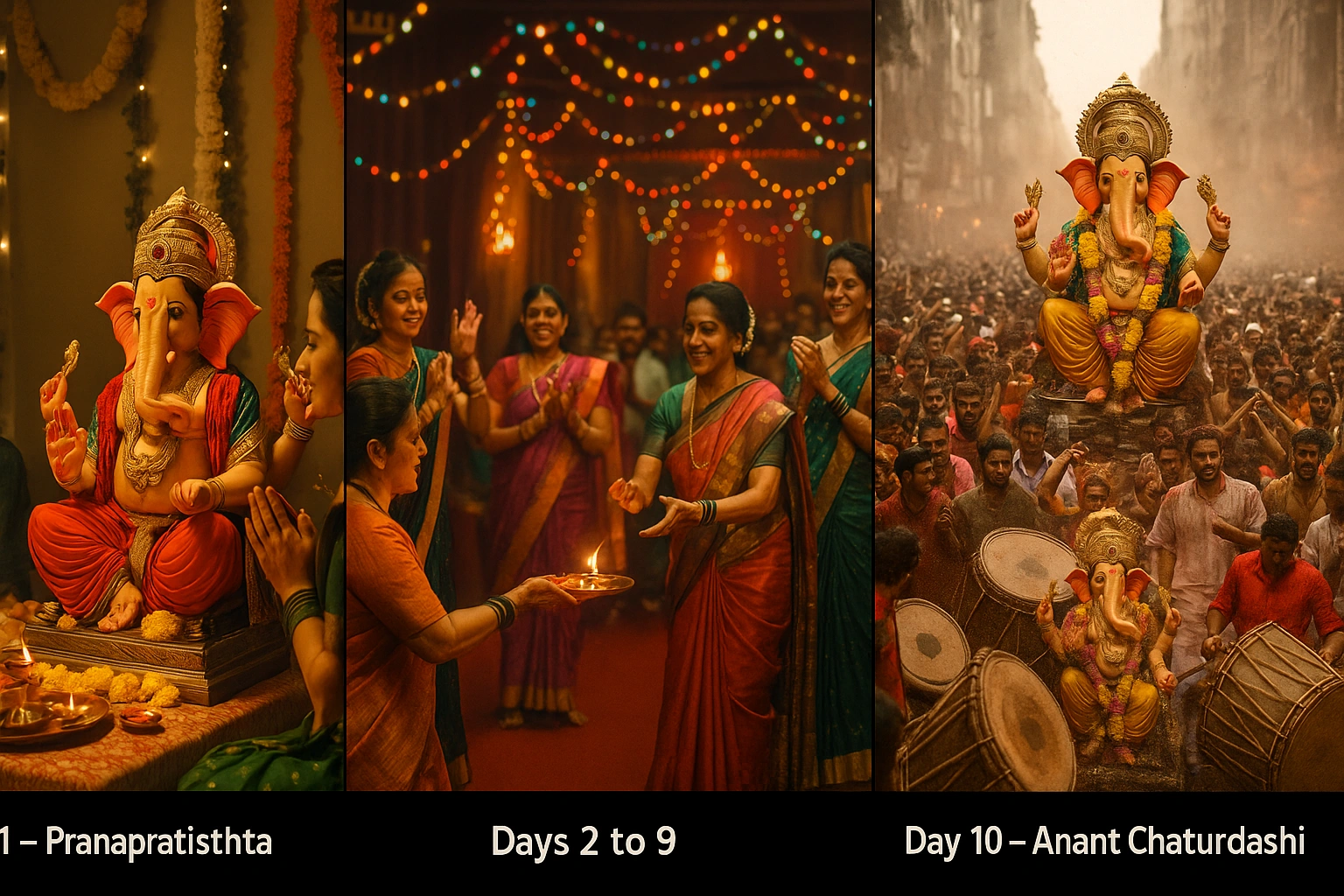
- Day 1 – Pranapratishtha: Idol installation, rituals, and first aarti.
- Day 2 to 9 – Celebrations: Daily offerings, aartis, cultural events, and competitions.
- Day 10 – Anant Chaturdashi: Processions, visarjan, and emotional farewell with chants of “Ganpati Bappa Morya, Pudhchya Varshi Lavkar Ya” (Come soon next year).
Conclusion: Ganesh Chaturthi – Beyond Religion
Ganesh Chaturthi in Maharashtra is more than just a religious festival—it is a fusion of devotion, culture, social unity, and heritage. It reflects the ethos of the state where spirituality meets creativity, and tradition embraces modernity. Whether in the grandeur of Mumbai’s pandals or the simplicity of Konkan villages, the spirit remains the same—faith in Lord Ganesha as the remover of obstacles and harbinger of prosperity.
Ganesh Chaturthi is not only about worship but also about togetherness, celebration, and a reminder of the cycle of life.
Receive Stories and Articles in your Inbox!
We won’t send any promotional or spam emails.
