
Introduction
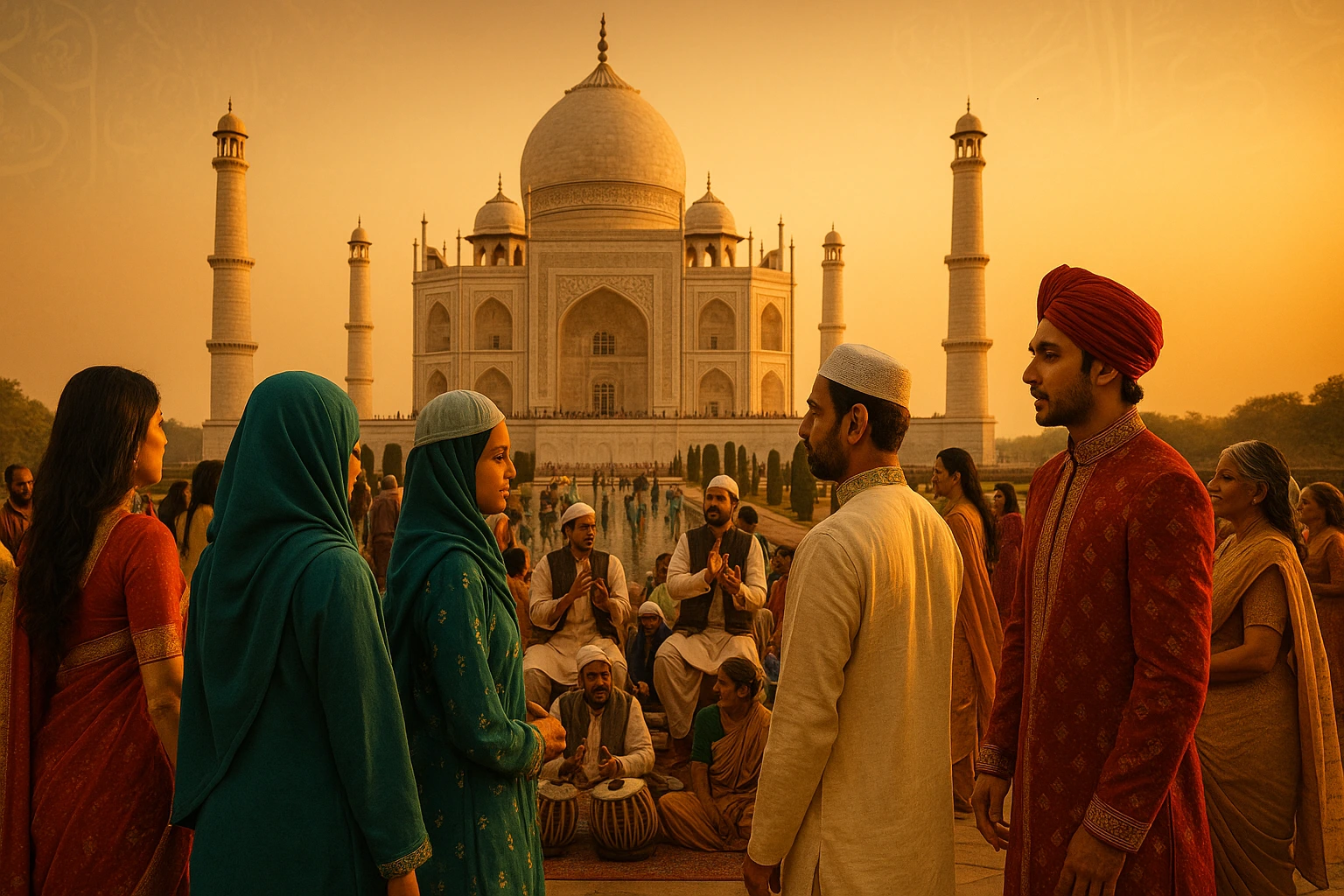
India, often described as the land of unity in diversity, has been shaped by multiple religions, cultures, and traditions over thousands of years. Among these, Islam has played a transformative role in shaping Indian society, art, architecture, and philosophy since its arrival in the subcontinent more than a millennium ago. Today, Islam is the second-largest religion in India, with around 200 million adherents, making India home to one of the world’s largest Muslim populations.
The influence of Islam in Indian culture is not confined to religious practices but extends to art, literature, music, cuisine, clothing, architecture, social norms, and linguistic traditions. It has interwoven with Hindu, Buddhist, Sikh, and Jain traditions, producing a uniquely syncretic Indian identity.
This article explores the journey of Islam in Indian culture, highlighting its contributions and its role in shaping a composite civilization that continues to define India’s pluralism.
Arrival of Islam in India
Islam reached India through multiple routes:
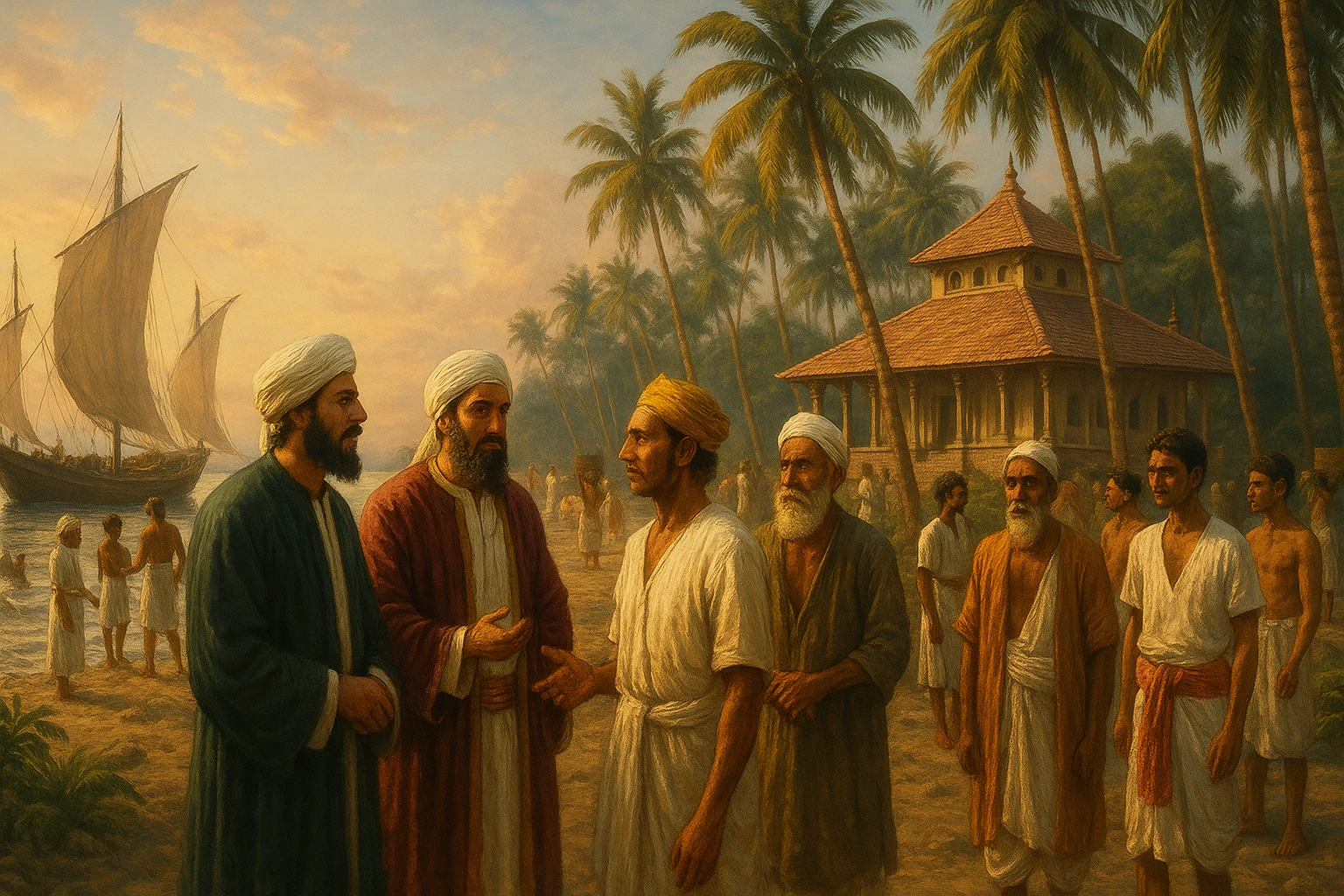
- Arab Traders in Kerala (7th century CE): Trade between the Arab world and the Malabar coast introduced Islamic faith to Indian shores. Many local rulers encouraged peaceful interactions, and Kerala still has some of the earliest mosques in India, such as the Cheraman Juma Mosque.
- Turkish and Afghan Conquests (11th–13th centuries): The Delhi Sultanate established Islamic rule in northern India.
- Mughal Empire (16th–18th centuries): The Mughals brought Persian, Central Asian, and Indian traditions together, creating a cultural renaissance.
Thus, Islam’s entry into India was not a single event but a series of cultural, political, and economic exchanges spanning centuries.























Architecture: The Islamic Stamp on India’s Skylines
One of the most visible contributions of Islam to Indian culture is architecture.
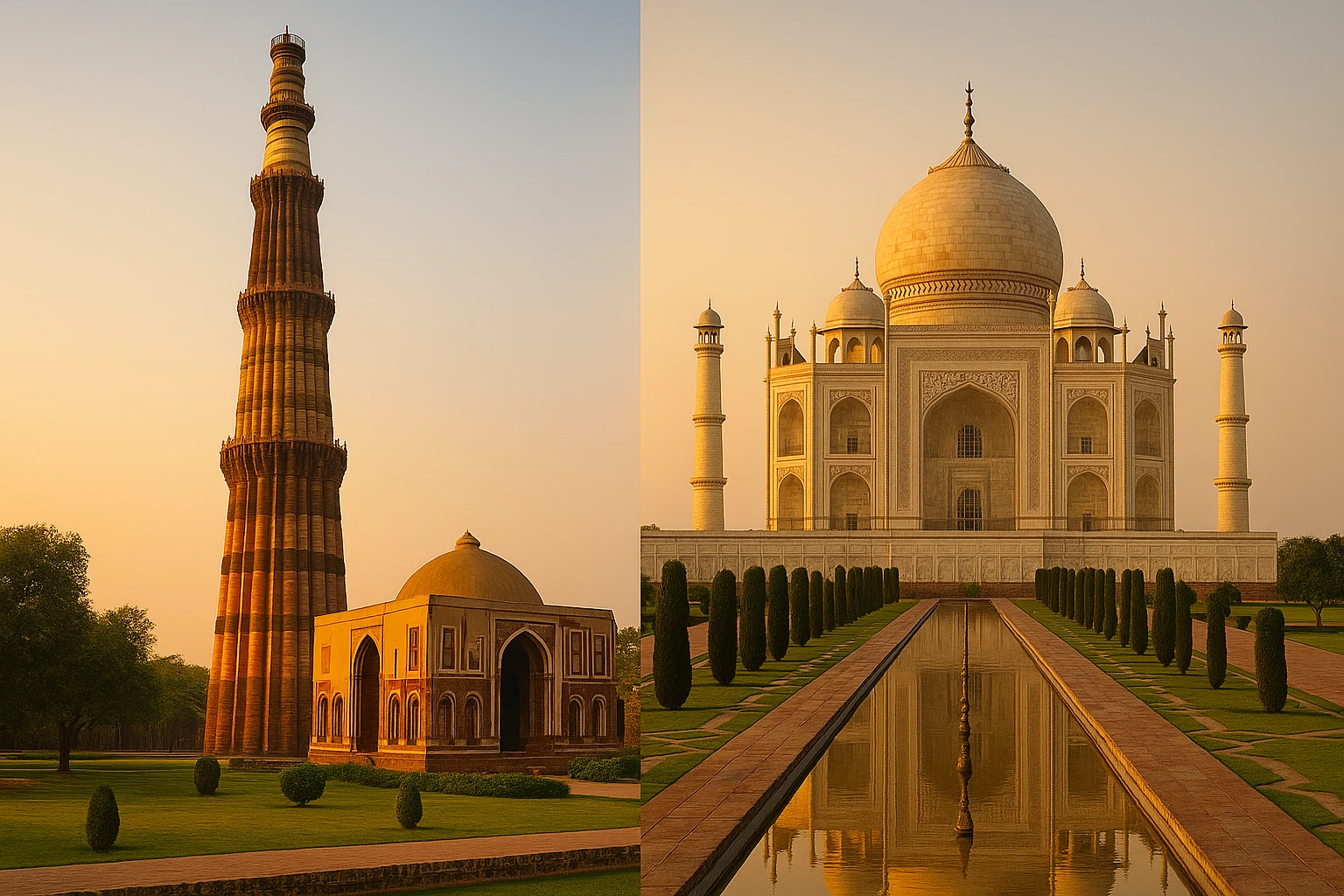
- Delhi Sultanate: Introduced arches, domes, and minarets. The Qutub Minar (Delhi) remains one of the tallest brick minarets in the world.
- Mughal Architecture: A blend of Persian, Islamic, and Indian styles. The Taj Mahal, one of the Seven Wonders of the World, is a symbol of love and Islamic artistry. Other masterpieces include Humayun’s Tomb, Fatehpur Sikri, and the Jama Masjid.
- Regional Styles: Islamic architecture in Bijapur (Gol Gumbaz), Hyderabad (Charminar), and Lucknow (Imambaras) highlights the diversity of Islamic artistic expression.
Key features such as geometric patterns, calligraphy, latticework (jali), and gardens based on the Charbagh concept enriched Indian aesthetics.
Language and Literature
Islam’s influence transformed India’s literary culture.
- Urdu Language: Born from the fusion of Persian, Arabic, Turkish, and local Indian dialects, Urdu became a prominent cultural medium.
- Persian Literature: Flourished under the Mughals, with court poets like Amir Khusro blending Persian elegance with Indian themes.
- Sufi Poetry: Mystical poets such as Bulleh Shah, Hazrat Nizamuddin Auliya, and Khwaja Gharib Nawaz (Ajmer Sharif) spread messages of love and tolerance.
- Prose and History Writing: Islamic scholars produced chronicles like the Ain-i-Akbari and Baburnama, offering insights into medieval India.
Music and Performing Arts
Islam’s contribution to Indian music is profound.
- Sufi Music and Qawwalis: Sufi saints popularized qawwali and devotional music, still performed at dargahs (shrines).
- Hindustani Classical Music: Mughal courts patronized music, blending Persian and Indian traditions. Legendary musicians like Tansen flourished under Akbar.
- Dance: Kathak evolved under Mughal patronage, with Persian and Central Asian elements enriching Indian storytelling traditions.
Cuisine: A Flavorful Legacy
Indian cuisine owes much of its richness to Islamic traditions.
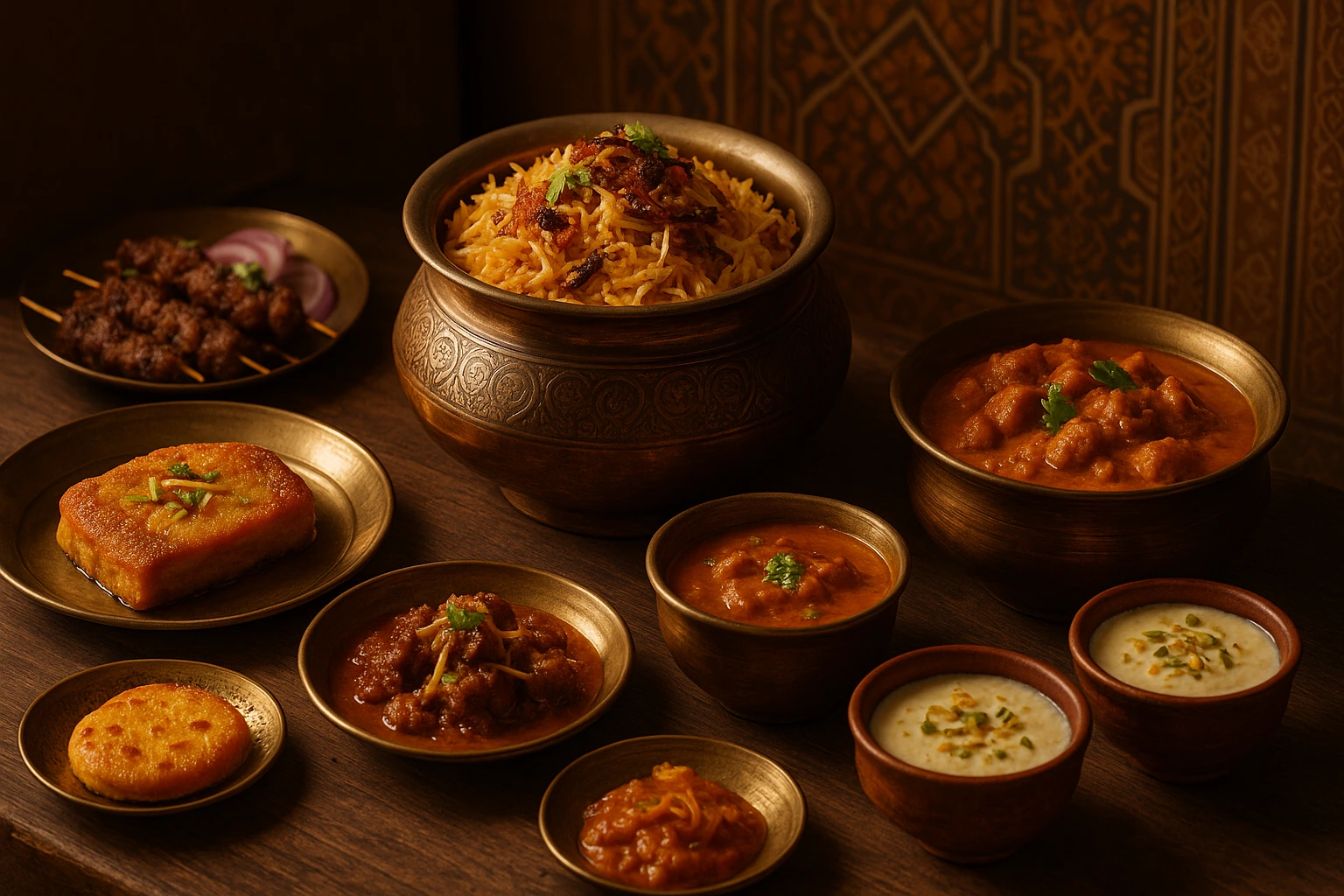
- Mughlai Cuisine: Biryani, kebabs, korma, and nihari became staples of Indian dining.
- Sweet Delights: Sheermal, phirni, and shahi tukda remain festival favorites.
- Regional Influence: Hyderabadi, Awadhi, and Kashmiri cuisines showcase Islamic culinary innovation.
Food also became a medium of cultural exchange, blending spices, methods, and tastes across communities.
Clothing and Fashion
Islamic traditions influenced Indian attire:
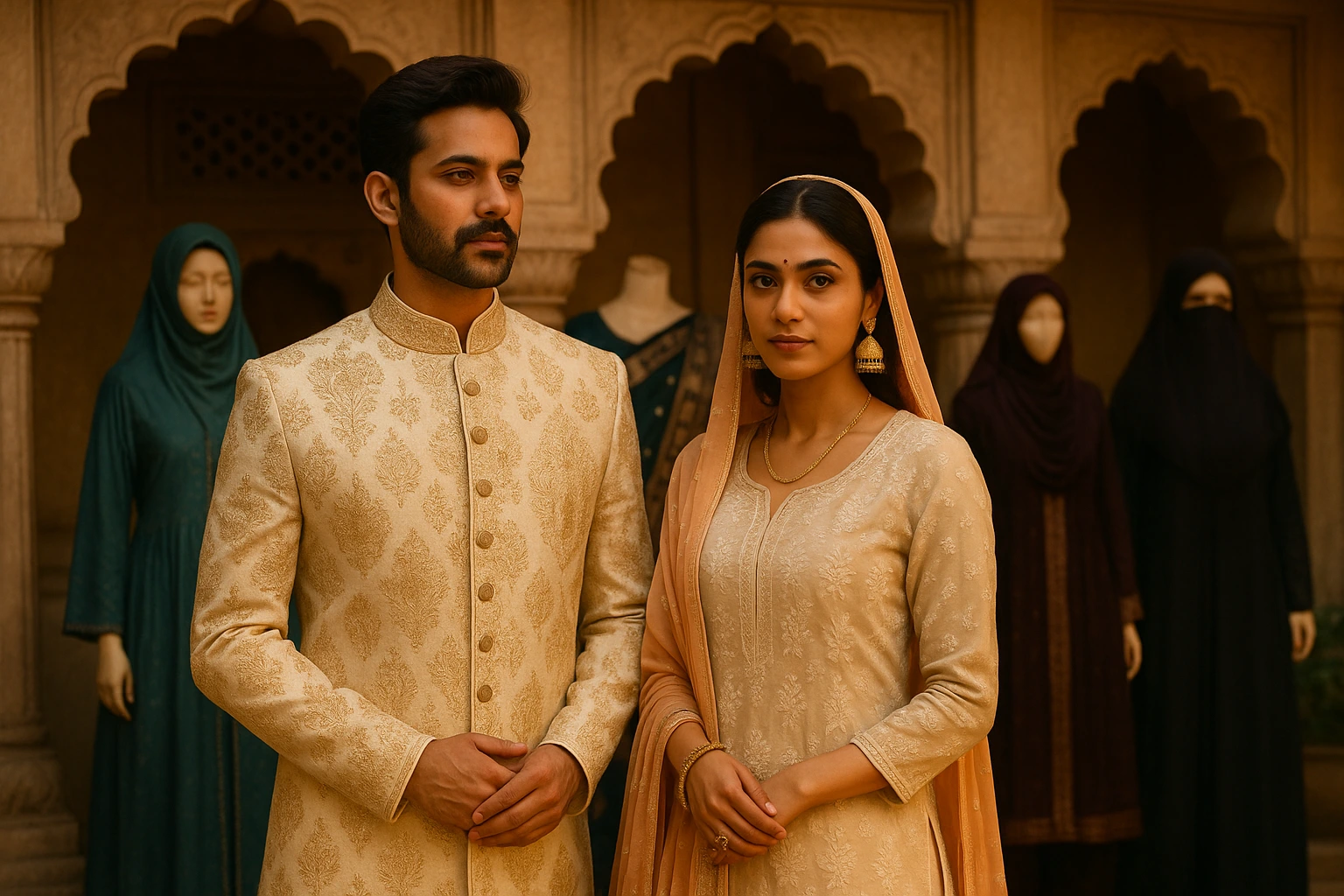
- Sherwani, Salwar-Kameez, Burqa, and Hijab became integrated into Indian wardrobes.
- Mughal-era embroidery styles such as zardozi, chikankari, and jamdani continue to define Indian textile heritage.
- Jewelry styles such as jhumkas and meenakari also trace back to Islamic artistry.
Festivals and Religious Practices
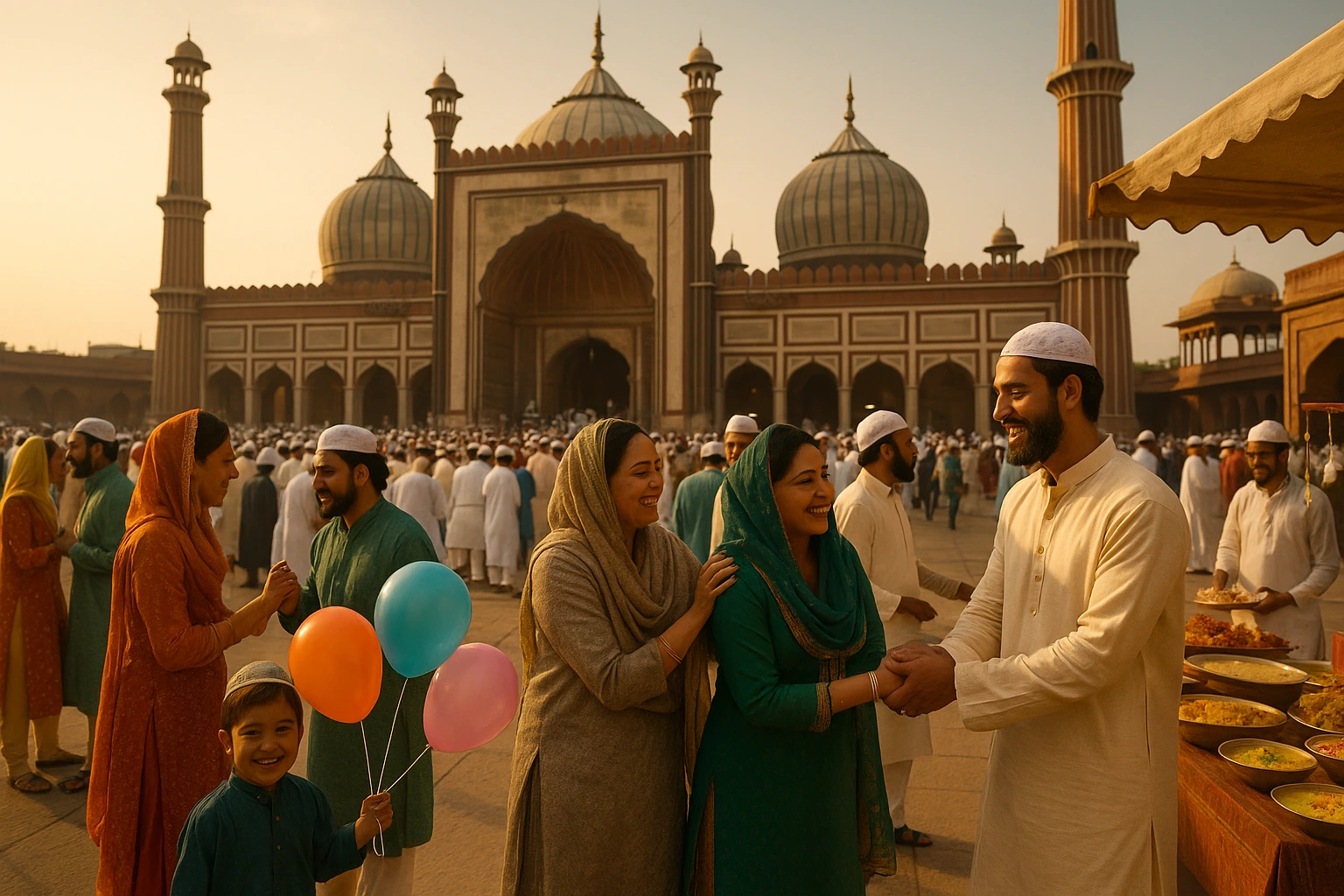
Islam introduced vibrant festivals to India, celebrated not only by Muslims but admired by other communities:
- Eid-ul-Fitr and Eid-ul-Adha: Known for communal prayers, charity, and feasting.
- Muharram: Processions commemorate the martyrdom of Imam Hussain, reflecting values of sacrifice and justice.
- Milad-un-Nabi: Celebrates the birth of Prophet Muhammad with devotional gatherings.
These festivals contribute to India’s cultural calendar, enriching its spiritual diversity.
Sufism: The Spiritual Bridge
Sufism became a vital cultural link between Hindus and Muslims.
- Sufi Saints: Hazrat Nizamuddin Auliya (Delhi), Khwaja Moinuddin Chishti (Ajmer), and Sheikh Salim Chishti spread messages of love, peace, and unity.
- Dargahs as Cultural Centers: Shrines became places of healing and spiritual refuge for people of all religions.
- Syncretism: Practices like qawwali, mehfils (gatherings), and communal langars (free kitchens) built harmony.
Social and Political Impact
- Islam emphasized egalitarian principles, offering dignity to marginalized communities.
- Administrative Systems: Mughal bureaucracy introduced land reforms, judicial systems, and Persian as a court language.
- Education: Madrasas nurtured scholars, and Islamic astronomy, medicine, and mathematics enriched Indian sciences.
Islam in Modern Indian Culture
Today, Islamic traditions are deeply embedded in India’s daily life:
- Bollywood and Urdu Poetry: Urdu shayari remains a cultural treasure, influencing cinema, ghazals, and literature.
- Architecture: Modern mosques and Islamic educational institutions thrive.
- Sports and Politics: Indian Muslims continue to contribute significantly to national identity.
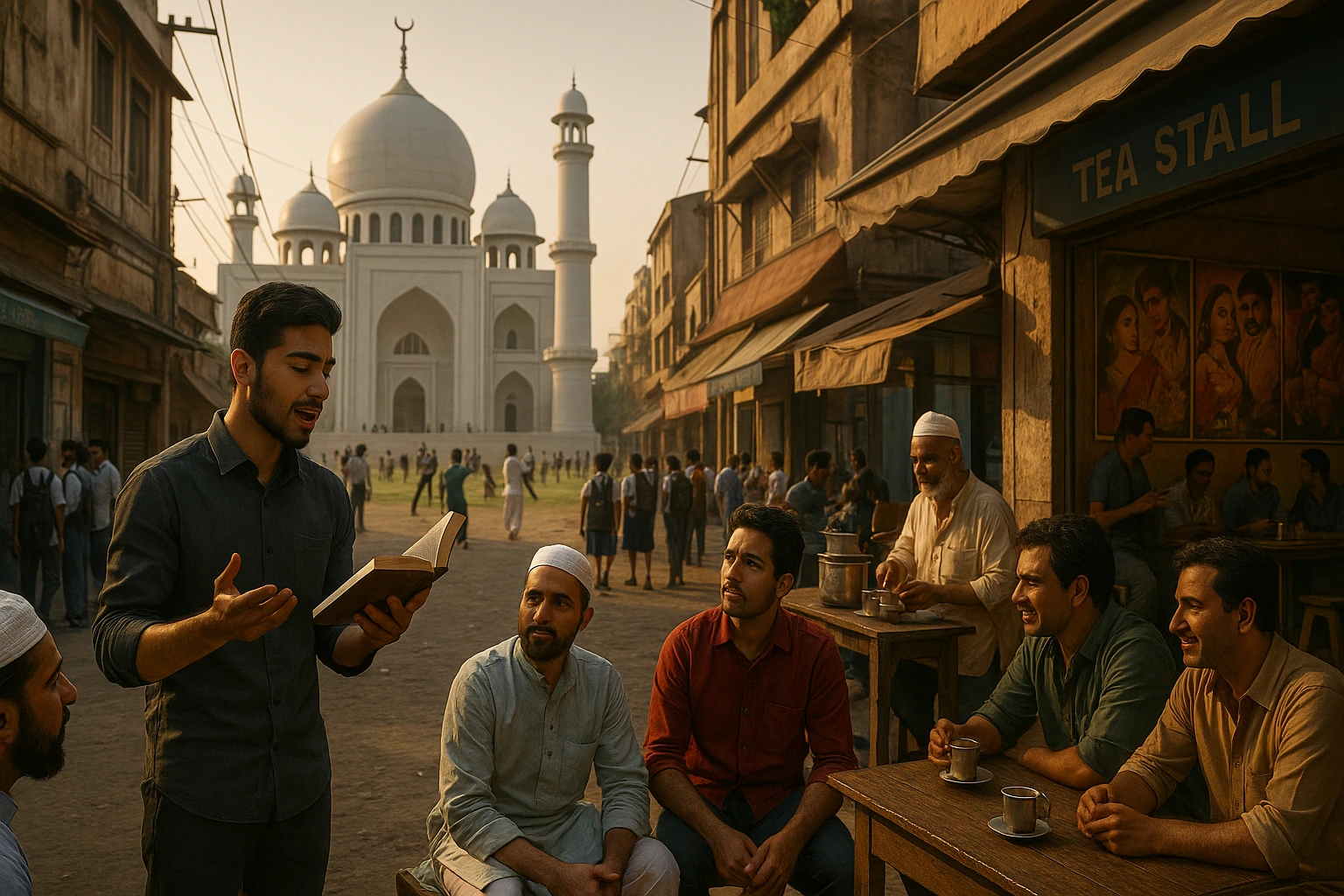
Challenges and Harmony
While India has witnessed communal tensions, its history also reflects centuries of coexistence and mutual respect. The syncretic traditions of Sufism, shared cuisines, music, and festivals continue to nurture harmony.
Conclusion
Islam in Indian culture is not a separate strand but an integral part of India’s civilizational fabric. From the majestic domes of the Taj Mahal to the soul-stirring verses of Urdu poetry, from the aroma of biryani to the rhythms of qawwali, Islam has given India richness, beauty, and spiritual depth.
The fusion of Islamic and Indian traditions is a reminder that diversity is India’s greatest strength, and unity thrives when cultures interact with respect and openness.
Receive Stories and Articles in your Inbox!
We won’t send any promotional or spam emails.
