
The Beginning of an Unusual Employment
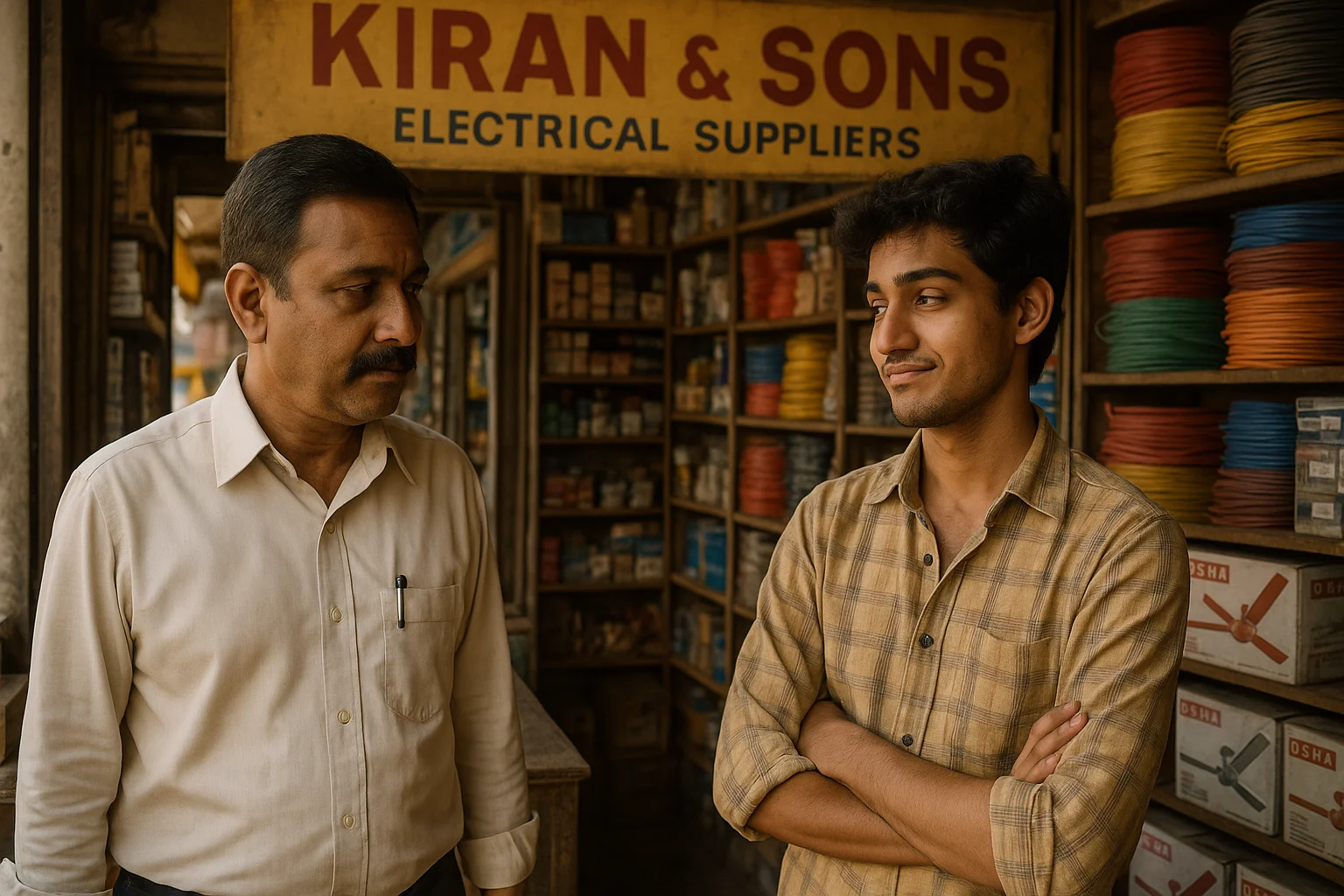
In the bustling lanes of Nagpur’s Sitabuldi market, where every shopkeeper juggled chaos and commerce, stood a modest electrical supplies store—“Kiran & Sons”.
The owner, Raghav Kiran, a middle-aged, soft-spoken businessman, was known for his punctuality, discipline, and a heart too kind for the world of business.
Raghav employed four helpers. Among them was a young boy of barely twenty, Samar, who had joined six months earlier. Thin, restless, and over-talkative, Samar was unlike the others—he was clever but lazy, quick-witted but insincere. He had an art of twisting situations to his favor, often by manipulating sympathy or threatening discomfort.
At first, Raghav found Samar’s street-smart attitude useful. He handled customers smoothly, delivered materials faster than most, and could charm his way through tense deals. But beneath that surface charm lay an ego bigger than the shop itself.
The First Incident
It began innocently.
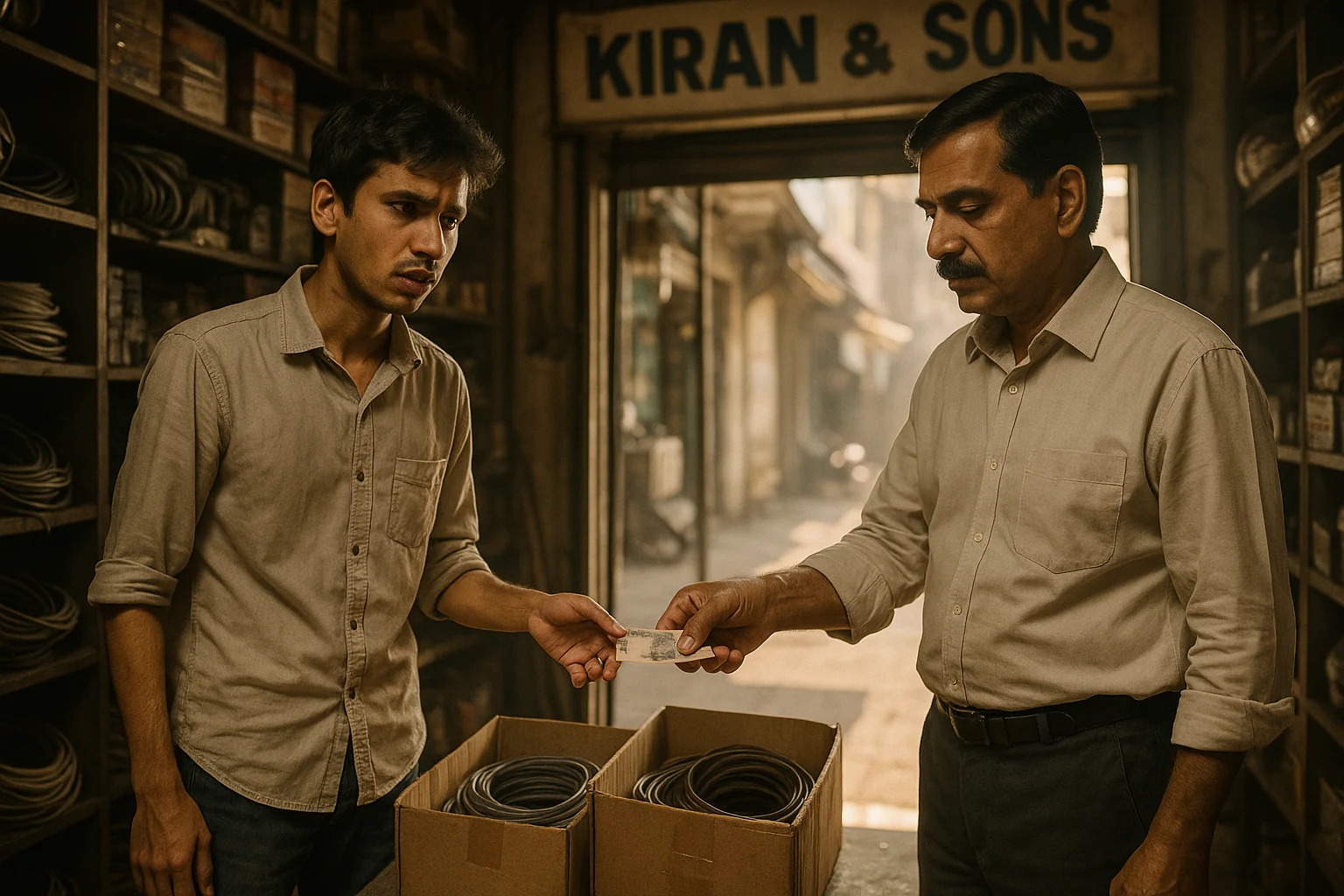
One scorching afternoon, Raghav asked Samar to carry two heavy boxes of wire coils to a nearby workshop. Samar frowned, groaned dramatically, and after a pause said,
“Sir, I can do it—but only if you give me ₹200 extra today. My back hurts, and I’ll have to take medicine.”
Raghav smiled patiently. “You’re getting paid salary, Samar. Do your work properly.”
But Samar’s face turned serious. “Sir, if I lift these boxes and get hurt, I’ll take a day off tomorrow. You’ll have to manage the deliveries alone.”












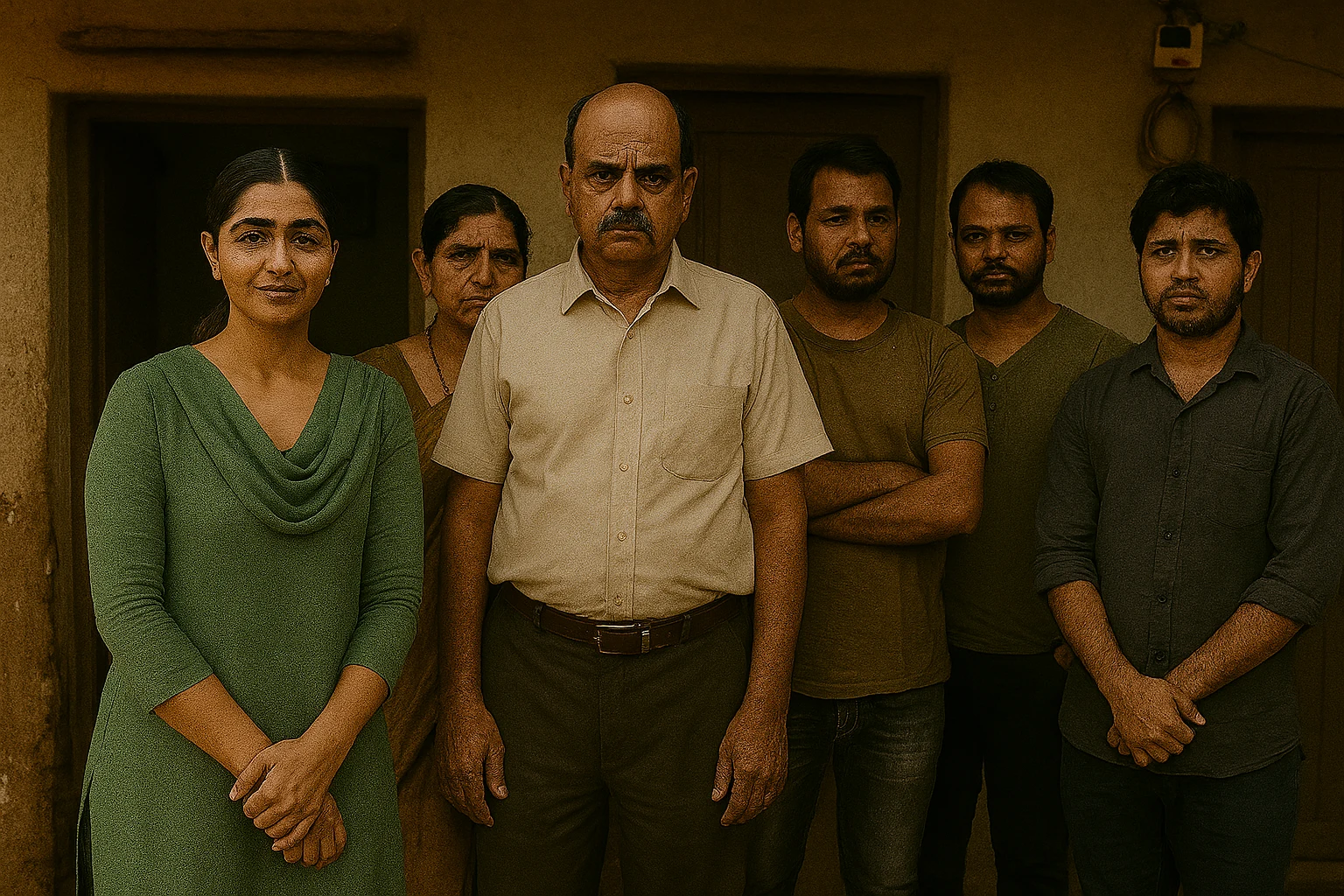

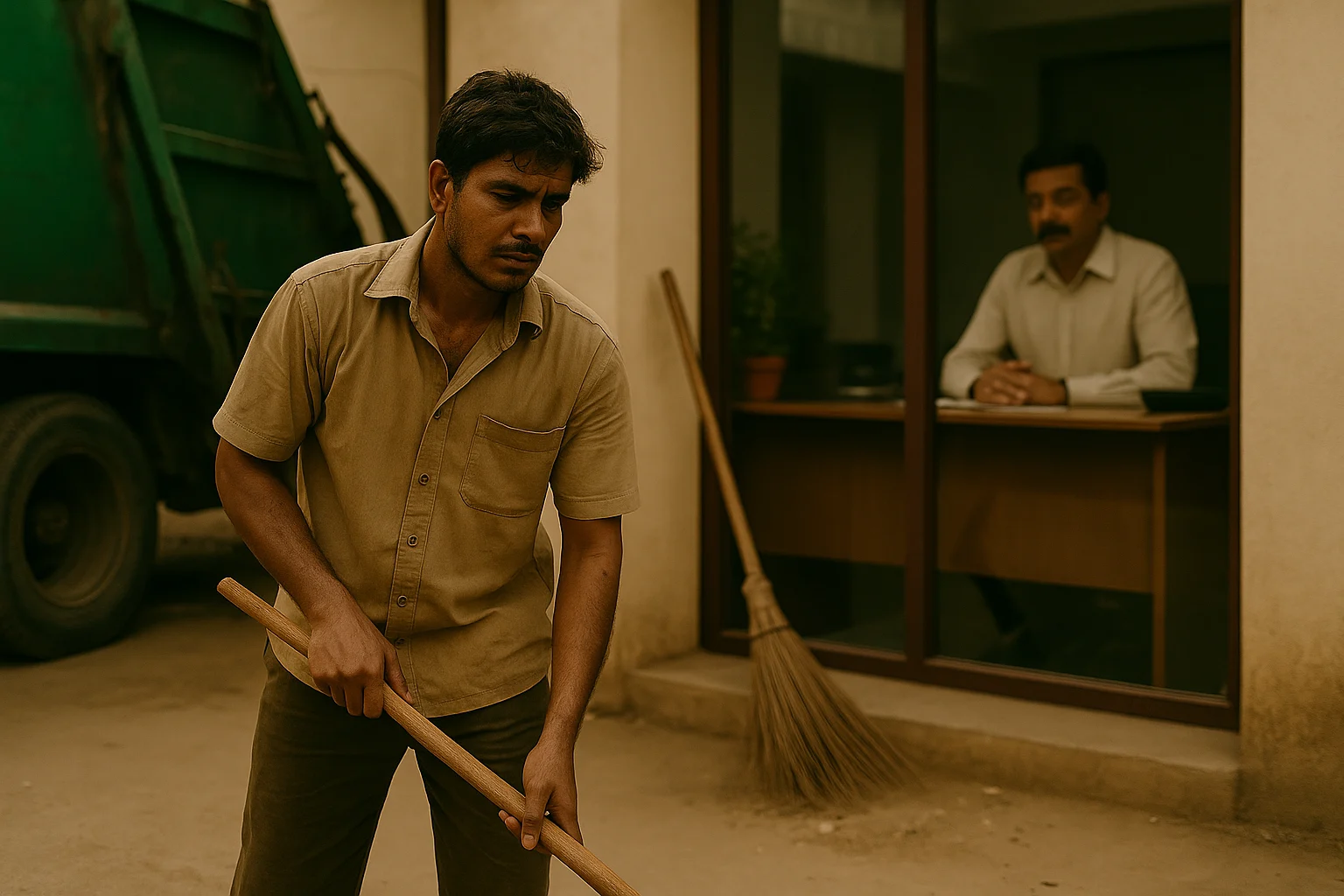


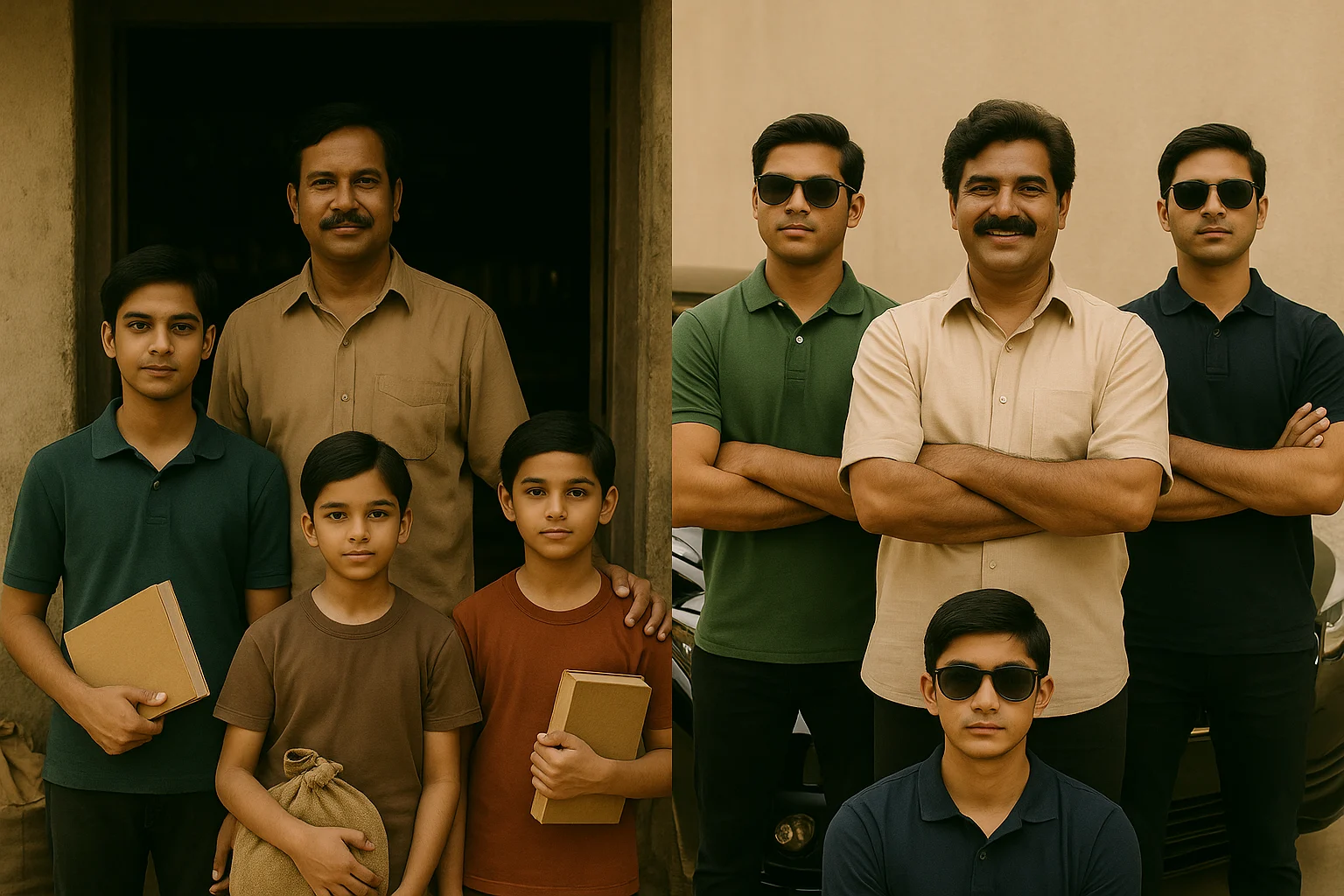

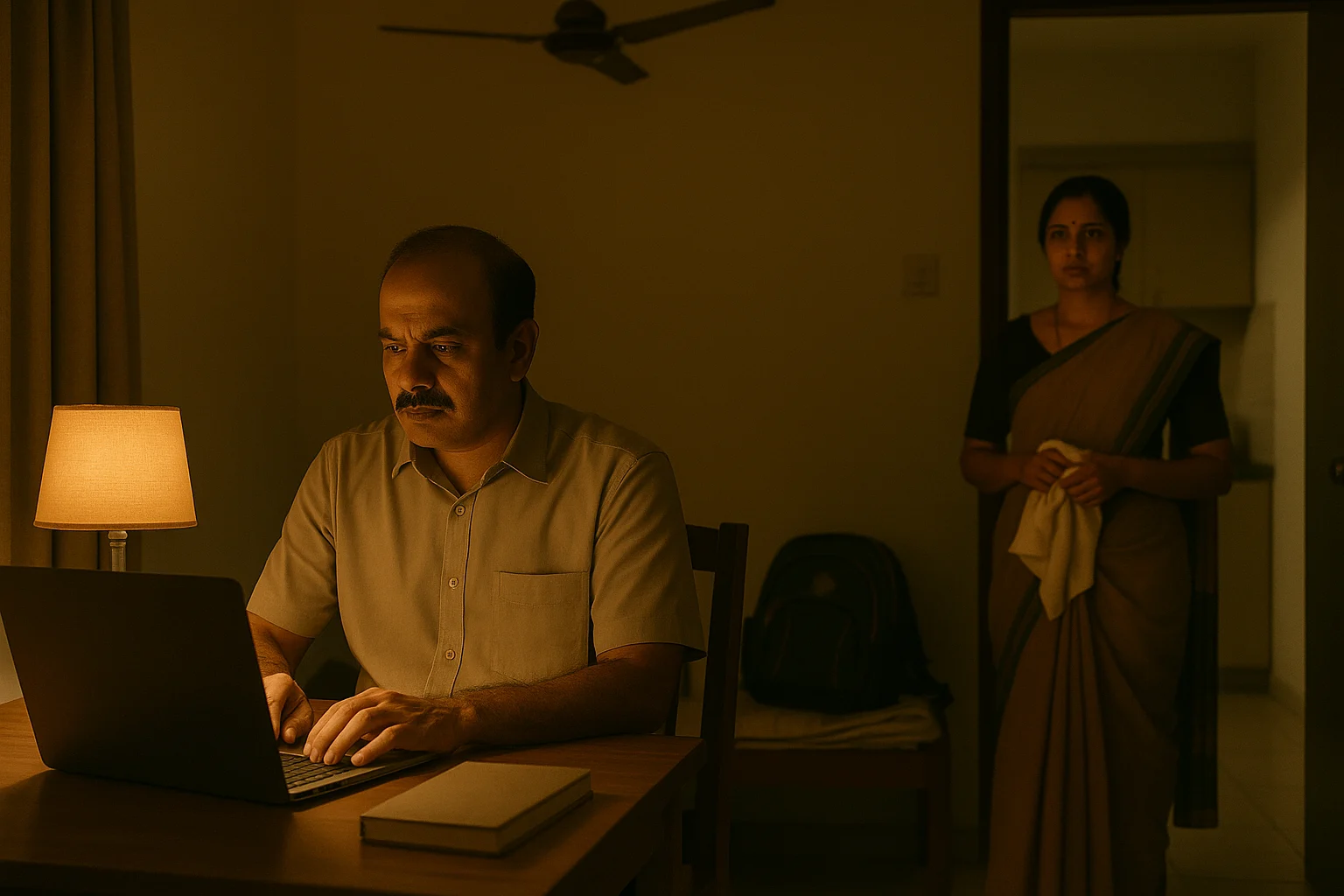























Raghav sighed. He had a large order to dispatch, and arguing would only waste time. He quietly took out ₹200 from the drawer.
“Here, but don’t make this a habit.”
Samar grinned. “Of course not, Sir.”
But that was only the beginning.
Blackmail Becomes Routine
Within weeks, Samar had discovered a dangerous pattern—Raghav’s patience. Every time the employer was busy, the boy exploited it.
“Sir, I’ll close the shop tonight, but you’ll have to give me dinner money.”
“Sir, that new delivery van has no petrol. If you want me to go, I’ll need compensation.”
“Sir, customers scolded me today—give me something extra for my stress.”
At first, Raghav thought of it as youthful immaturity. He told himself that Samar’s family was poor, maybe the boy just needed money. But soon, it crossed limits.
Whenever Raghav gave him a task, Samar would smirk and say, “Sir, how much are you paying me for this one?”
It became a running joke among other workers, though not a funny one.
The Pressure Builds
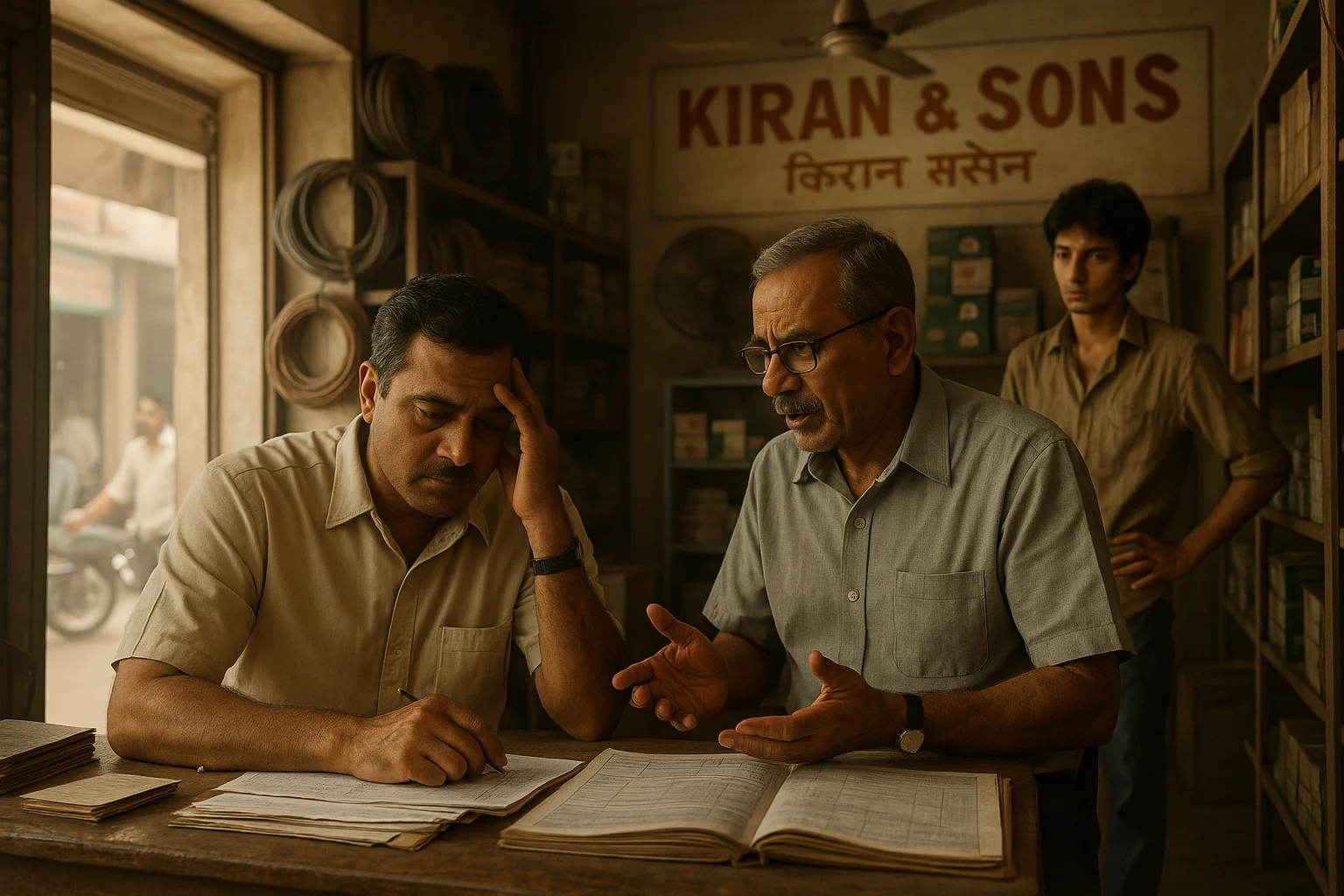
One day, Raghav’s trusted accountant, Gokhale, warned him.
“Sir, this boy is taking you for a ride. If you keep giving in, the others will start doing the same.”
Raghav rubbed his temple. “I know, Gokhale. But if I scold him, he’ll stop working mid-day, and I have too many orders to deliver.”
Gokhale shook his head. “Then you’ll keep paying ransom in your own shop.”
Raghav laughed lightly but the truth stung. He was juggling so much—supplier payments, pending deliveries, client calls—that Samar’s drama felt like one more chore to manage rather than fix.
Samar’s Growing Arrogance
By now, Samar believed he was indispensable. He bragged to co-workers that the shop would “collapse without him.”
He started showing up late, leaving early, and even flirting with customers’ wives who visited for fittings.
Once, Raghav overheard him telling a customer, “Boss trusts me with everything. I can make or break this shop if I want.”
That sentence pierced his calm.
Still, Raghav avoided confrontation. He feared disruption more than disobedience. But fate has its own schedule.
The Breaking Point
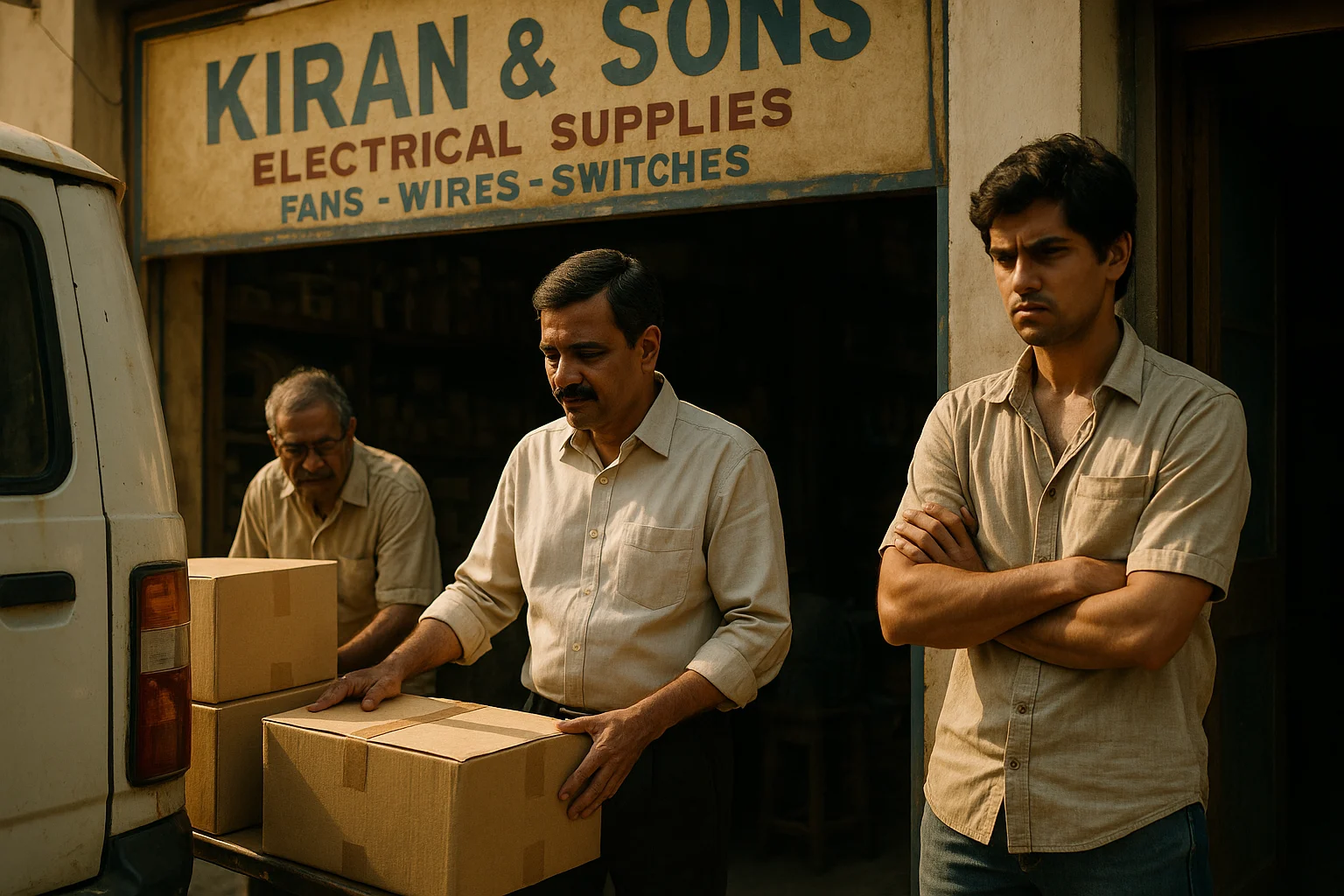
One Thursday morning, when Raghav was preparing a large order for Nagpur Metro Electricals, he asked Samar to load the van.
Samar looked bored. “Sir, I’ll do it, but I need ₹500 now. Otherwise, I’m not moving a single box.”
Raghav froze mid-sentence. He looked at the boy, trying to read if it was a joke. It wasn’t.
“You’re blackmailing me for every task now?” he asked quietly.
“Sir,” Samar replied smugly, “Call it adjustment. I’m helping you, so you help me.”
For the first time, Raghav didn’t argue or pay. He just turned around, picked up his phone, and called someone.
“Ramesh, come to the shop immediately. We’ll load together.”
When Ramesh—an old worker who had left for another firm—arrived, he greeted Raghav warmly and helped finish the loading within an hour. Samar stood aside, insulted and ignored.
That evening, Raghav wrote a note:
“Samar, from tomorrow, your services will not be required. Collect your salary and leave.”
The Fall Begins
The next morning, Samar came in late as usual, humming a tune. When he saw the note on the counter, his face turned pale.
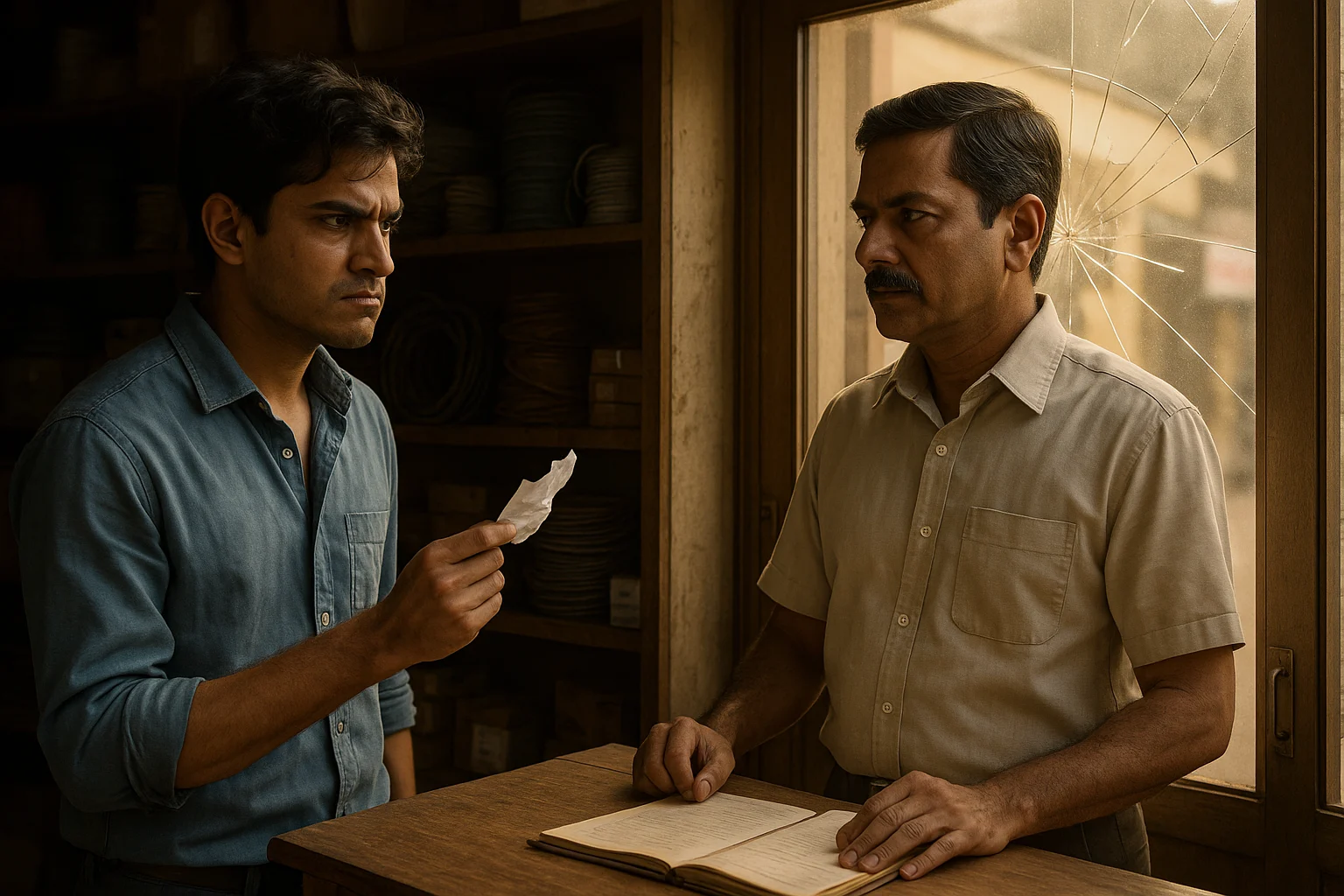
He rushed to Raghav’s cabin. “Sir, what is this? Are you joking?”
Raghav looked calm. “No, Samar. I tolerated your blackmail long enough. I’m done.”
“But sir, I did so much for you! I know all your suppliers; you’ll face losses without me.”
Raghav smiled gently. “Then I’ll face them peacefully, without fear.”
Samar’s tone grew threatening. “You’ll regret this, sir. I’ll tell your customers that you cheat them!”
Raghav looked at him firmly. “Go ahead. But remember, truth travels slower than lies—but it lasts longer.”
Samar stormed out, slamming the glass door so hard it cracked.
The Hardship
Days turned into weeks. Samar searched for new jobs across the market.
But word spreads fast in close-knit business circles. Shopkeepers whispered, “That’s Raghav’s old boy—the one who blackmailed him.”
Everywhere he went, the answer was the same: “We’ll call you later.”
His savings disappeared. He couldn’t pay rent, skipped meals, and borrowed money from friends who soon started avoiding him.
One night, sitting on a broken bench outside a tea stall, Samar stared blankly at the road.
A familiar delivery van passed—it was Raghav’s. In the driver’s seat was a new boy, barely nineteen, smiling as he unloaded boxes.
Samar’s throat tightened. The sight of the shop lights glowing, of customers laughing, made him realize—life had moved on without him.
The Employer’s Side
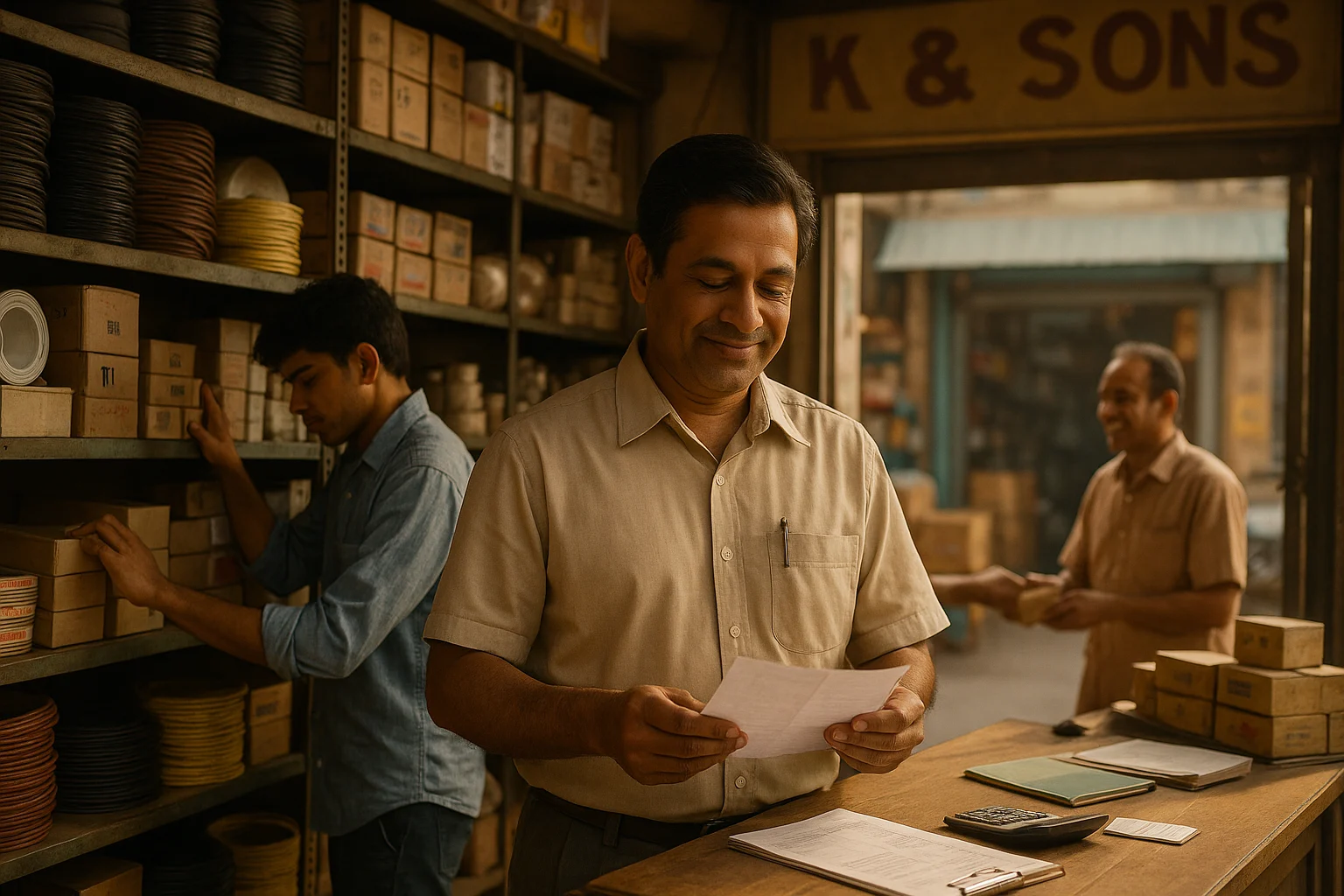
Raghav, on the other hand, felt lighter. His new worker, Manu, was hardworking, soft-spoken, and honest.
Within a month, sales improved. Customers noticed the change.
“Your new boy is good, Kiranji. No drama, only work!” said one regular customer.
Raghav smiled. “Honesty works slower, but it works longer.”
Inside, he sometimes thought about Samar—not with anger, but pity. He hoped the boy would learn humility.
The Encounter
Three months later, one rainy evening, Raghav was locking the shop when he saw a thin, drenched figure standing nearby. It was Samar.
“Sir…” he said softly, eyes red. “I came to apologize. I’ve been looking for work everywhere. Nobody trusts me now. I was stupid.”
Raghav hesitated. The part of him that believed in forgiveness wanted to help. But another part—the one that had suffered blackmail—stayed cautious.
“Samar, I forgive you. But I can’t take you back. Not yet. Trust once broken takes time to rebuild.”
Samar nodded silently, tears mixing with rain. He walked away without another word.
Raghav watched him disappear into the drizzle, feeling both sad and relieved.
The Lesson of Life
A year later, Samar found a job at a small workshop, earning half of what he once did. But he had changed. He no longer argued, no longer demanded. He worked quietly, grateful for every day he was trusted.
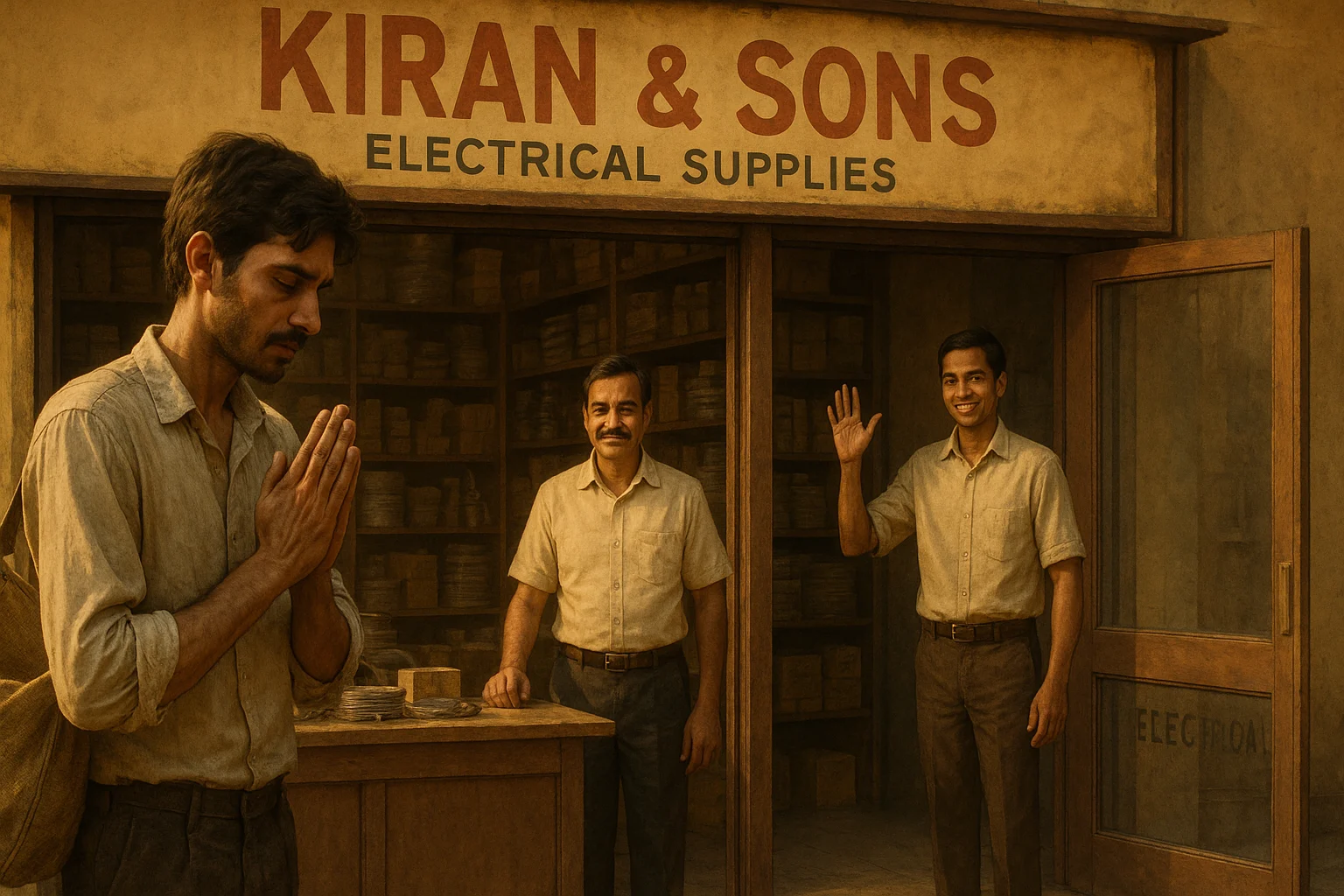
Once, while delivering materials, he crossed Raghav’s shop. Manu greeted him kindly. Raghav, noticing from inside, simply waved. Samar folded his hands respectfully.
That simple gesture said more than words ever could.
He had finally learned—the price of blackmail wasn’t money; it was reputation.
Moral of the Story
Blackmail may give short-term gain, but it destroys long-term trust. Greed makes us blind, while honesty keeps our path lit even in darkness.
Receive Stories and Articles in your Inbox!
We won’t send any promotional or spam emails.
