
Introduction
Warli art is one of the oldest and most iconic tribal art forms of India, originating from the Warli tribe of Maharashtra. Known for its simple yet profound expressions, Warli painting dates back to around 2500–3000 BCE, making it not just an art form but also a historical record of tribal life. The art is deeply intertwined with the tribe’s social, cultural, and spiritual beliefs, representing a unique connection between human life and nature.
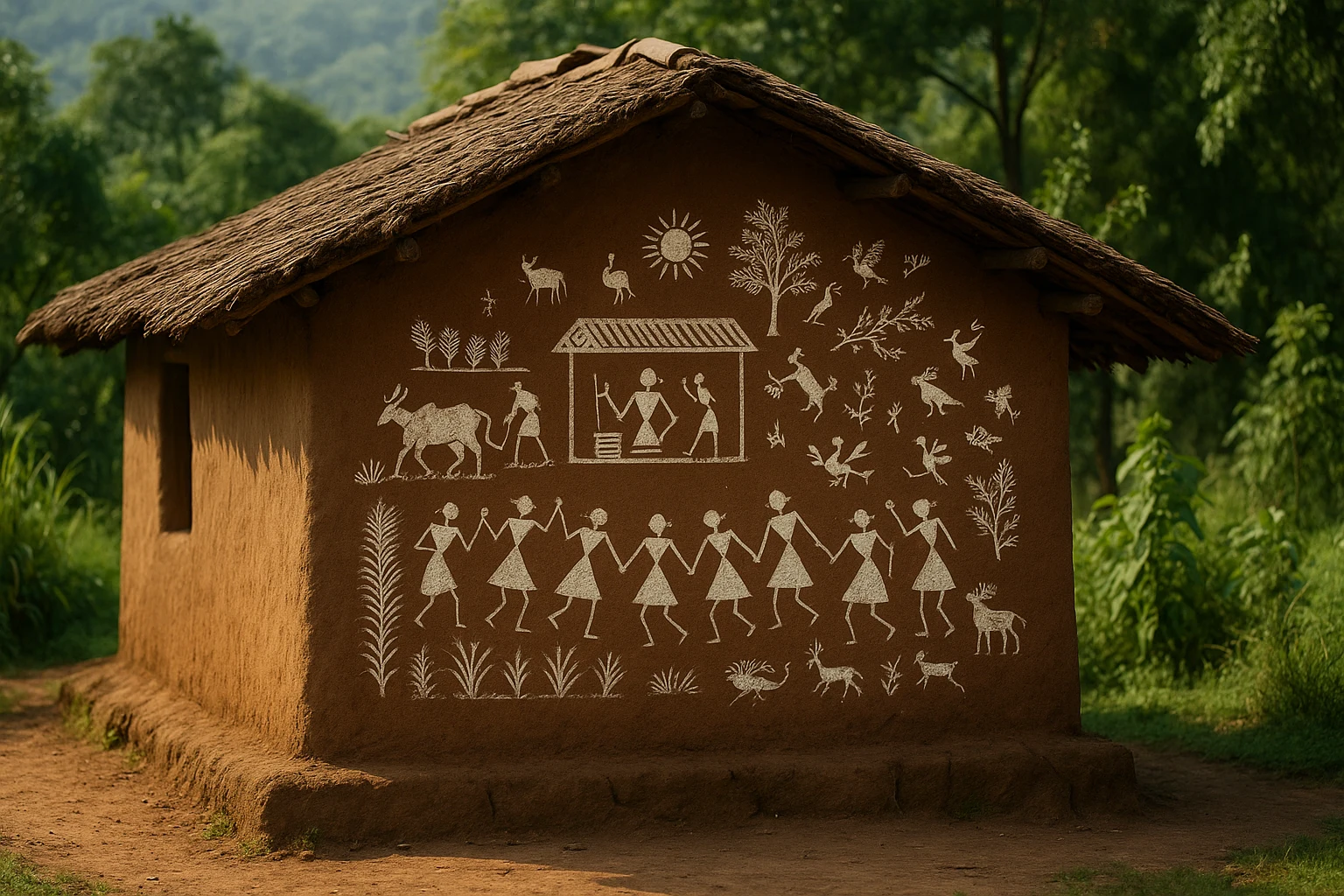
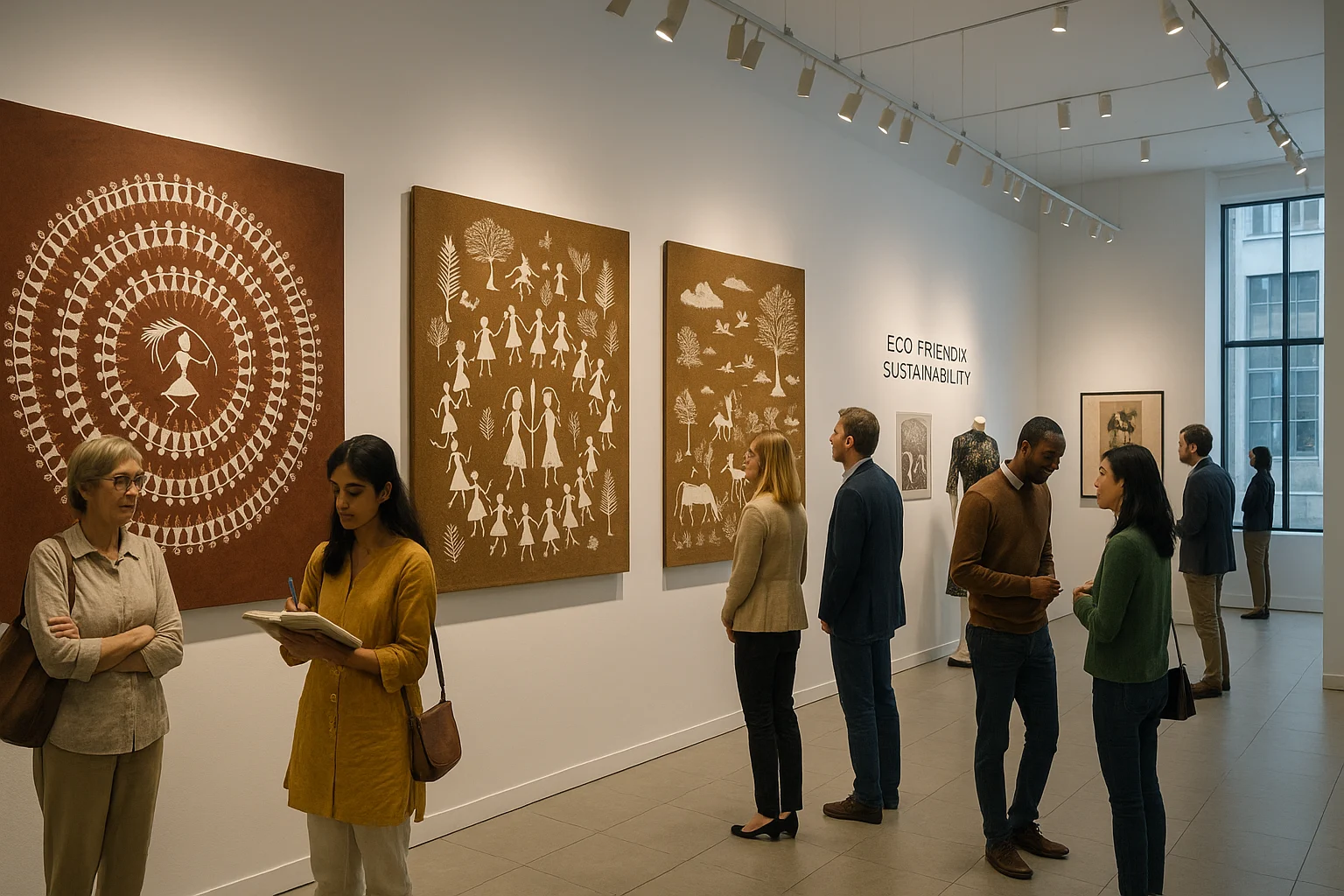
Characterized by geometric shapes such as circles, triangles, and squares, Warli paintings depict everyday activities like farming, dancing, hunting, rituals, and festivals. Traditionally, these artworks were painted in white pigment on mud walls, symbolizing purity and simplicity. Today, Warli art has gained global recognition and is used in textiles, décor, advertising, and even digital mediums, yet it continues to preserve its traditional essence.
This article explores the origin, techniques, themes, cultural significance, and modern adaptations of Warli art, highlighting why it remains one of the most celebrated tribal art forms of Maharashtra.
Historical Background of Warli Art
The Warli tribe belongs to the northern Sahyadri ranges in Maharashtra, mainly spread across Thane, Palghar, Nashik, and Dhule districts. Archaeological evidence suggests that the art form predates many modern civilizations, with similarities to cave paintings found in Bhimbetka.
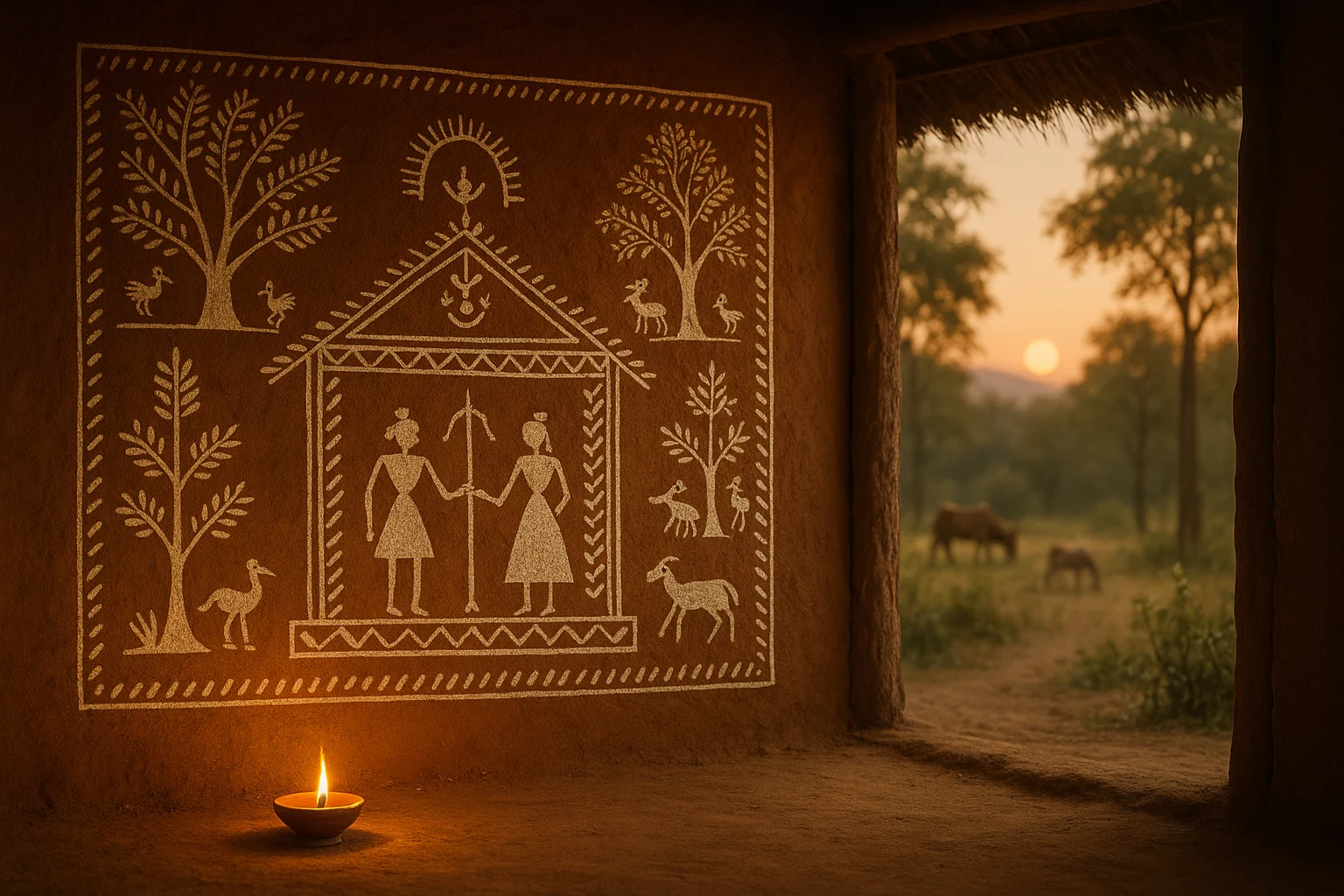
Warli paintings were never considered merely decorative; they were sacred expressions drawn during significant events like marriages, harvests, and religious rituals. The goddess Palaghata, symbolizing fertility, played a central role in these artworks. The art was also a medium to pass on folklore, traditions, and survival stories to the next generation.

















Characteristics and Style of Warli Art
1. Use of Geometric Shapes
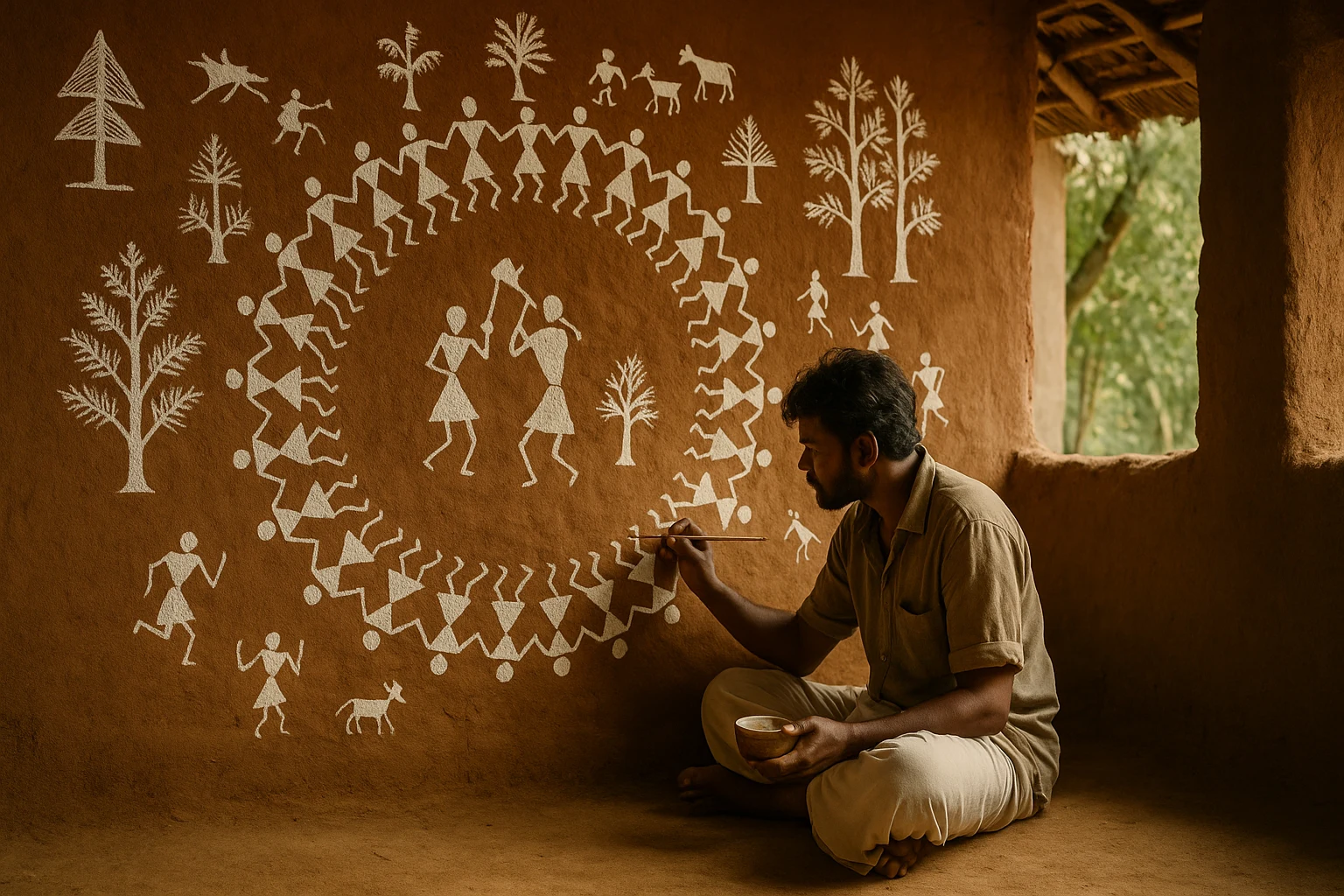
Warli art relies heavily on geometry. The circle represents the sun and moon, the triangle symbolizes mountains and trees, and the square represents sacred enclosures. Humans are depicted as two triangles joined at the tip, creating a sense of balance and movement.
2. Medium and Materials
Traditionally, Warli paintings were drawn on mud walls of huts using a bamboo stick chewed at the end to act as a brush. The base was created with cow dung and red mud, while the figures were painted with rice paste mixed with water and gum.
3. Themes
Warli art covers themes like farming, hunting, daily chores, marriage rituals, and tribal festivals. The Tarpa dance, where men and women dance in a spiral around a musician, is one of the most frequently depicted motifs. Animals, trees, and the cycles of nature are also recurring elements.
4. Simplicity and Symbolism
Despite their simplicity, Warli paintings carry deep symbolism. For instance, the spiral dance represents the cycle of life and death, while interconnected human figures depict community unity.
Cultural and Spiritual Significance
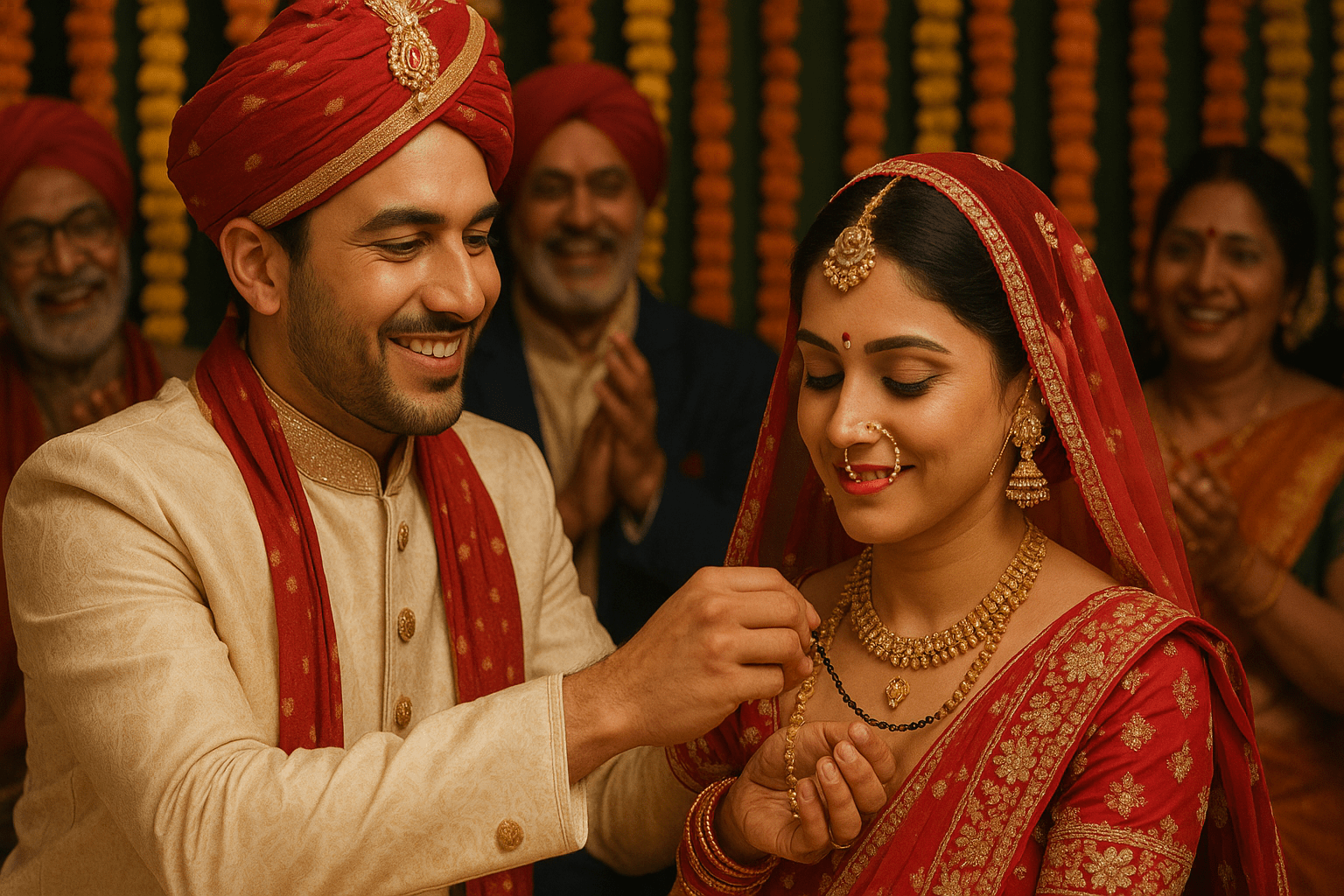
Warli art is not just about aesthetics but spirituality and storytelling. The tribe believes that drawing these motifs invokes blessings, prosperity, and protection from evil. Marriage paintings, known as Lagnacha Chauk, are particularly significant as they invite divine presence into the ceremony.
The art also reflects the Warli community’s eco-centric worldview. Every motif—be it trees, animals, or the sun—is treated with reverence, showcasing the tribe’s deep bond with nature. This spiritual connection makes Warli art a visual expression of sustainability and harmony with the environment.
Evolution and Modern Adaptation
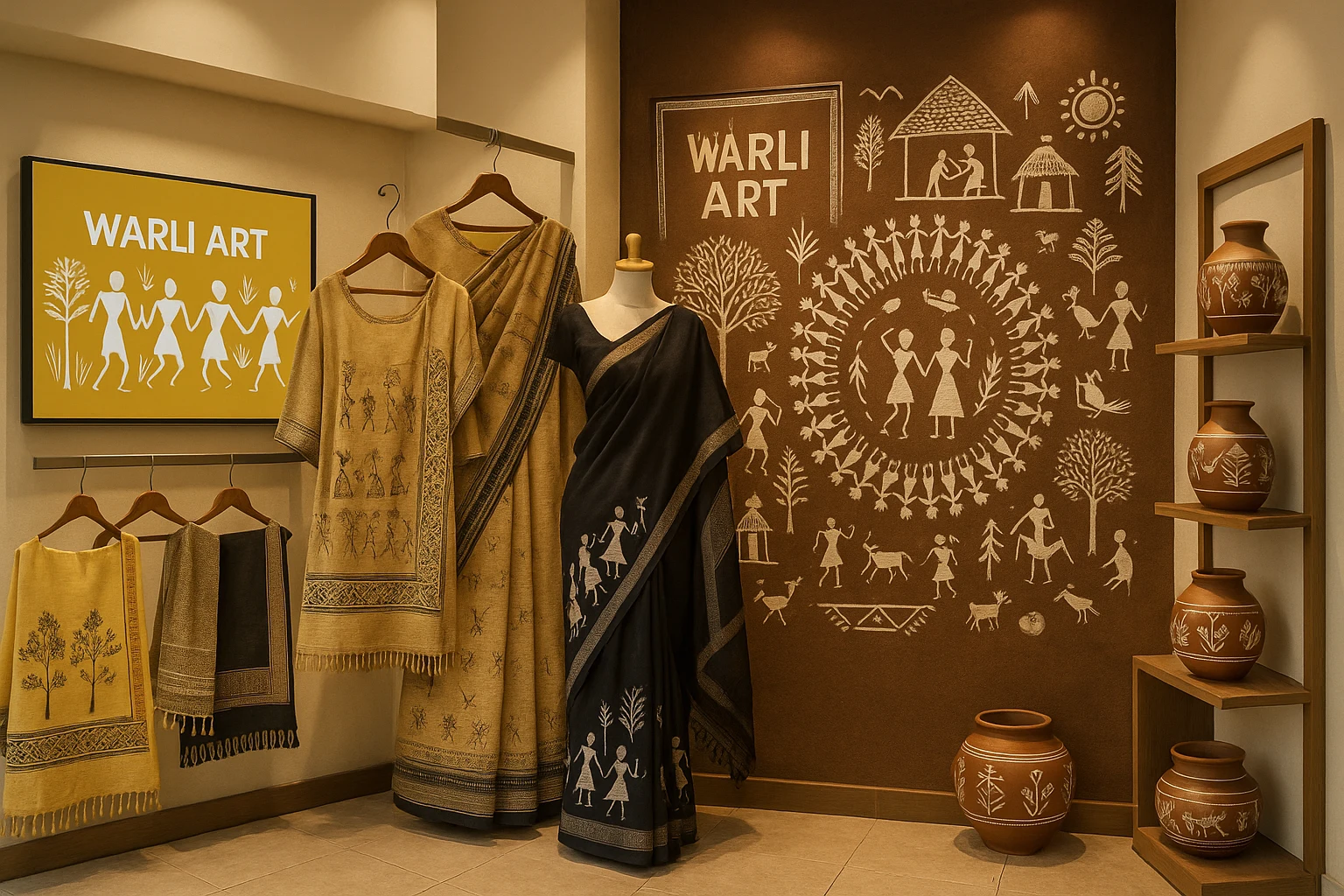
While Warli paintings were once confined to mud walls, modernization has expanded their reach. Today, Warli motifs can be seen on:
- Textiles: Sarees, dupattas, and stoles with Warli prints are popular.
- Home décor: Wall hangings, murals, and pottery featuring Warli designs.
- Commercial use: Warli art has been featured in advertisements, logos, and branding.
- Digital art: Graphic designers often adapt Warli motifs for websites, social media, and contemporary campaigns.
Notably, Indian artists like Jivya Soma Mashe brought Warli art to global attention by translating tribal wall paintings into canvas works, ensuring preservation and innovation.
Challenges and Preservation Efforts
Despite its popularity, Warli art faces challenges such as commercialization, loss of authenticity, and exploitation of tribal artists. Many artisans struggle with financial insecurity while corporations profit from mass-produced Warli-inspired products.
Government initiatives, NGOs, and cultural organizations are working to preserve the tradition by providing platforms for Warli artists, organizing exhibitions, and promoting fair trade practices. UNESCO has also recognized tribal arts as crucial to intangible cultural heritage, adding momentum to preservation efforts.
Warli Art in Global Context
Warli art has transcended borders, finding admirers worldwide. From exhibitions in Europe to collaborations with international designers, the art continues to gain recognition. Its eco-friendly philosophy resonates with global sustainability movements, making Warli not just a cultural treasure of Maharashtra but also a universal language of harmony.
Conclusion
Warli art is a timeless expression of simplicity, spirituality, and sustainability. Rooted in tribal traditions yet adaptable to modern mediums, it reflects the resilience and creativity of the Warli community. As long as efforts continue to support genuine artisans, Warli art will not only survive but thrive, bridging the gap between ancient traditions and modern aesthetics.
Receive Stories and Articles in your Inbox!
We won’t send any promotional or spam emails.
